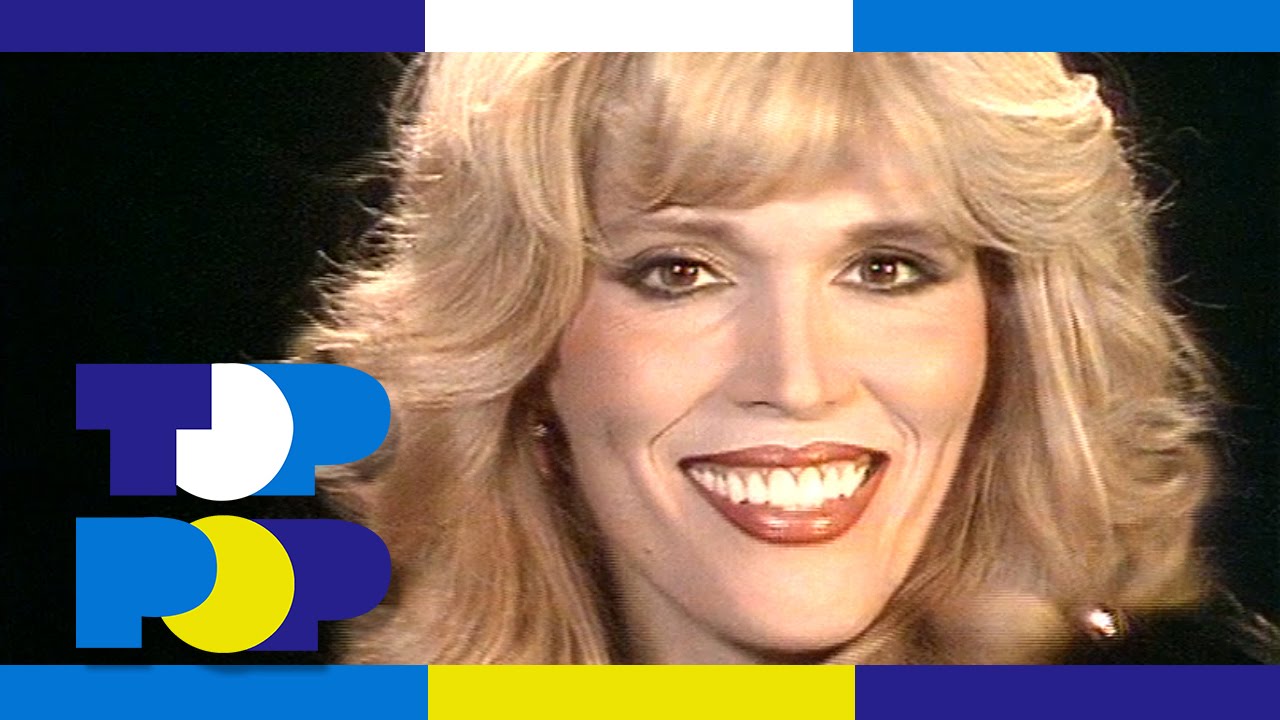
If you close your eyes and listen to the opening swirl of Follow Me, you aren't just hearing a disco track. You're hearing a manifesto. It’s 1978. Munich is the center of the musical universe, thanks to guys like Giorgio Moroder, but Amanda Lear is doing something different. She isn't screaming over the beat like a traditional diva. She’s whispering. She’s commanding. Honestly, she’s kind of terrifying in the best possible way.
The song became a massive hit across Europe, particularly in Germany and Italy, anchoring her classic album Sweet Revenge. But why does it still feel so relevant? Why does it keep popping up in fashion shows and high-end ad campaigns decades later? It’s because Follow Me Amanda Lear isn't just a song; it's the peak of the "Euro-disco" aesthetic that valued mystery over raw vocal power.
The Mystery of the Deepest Voice in Disco
Amanda Lear was never just a singer. She was a muse to Salvador Dalí. She was a model. She was a socialite who supposedly dated David Bowie—who, by the way, was reportedly the one who told her she should start singing because her voice was so unusual.
That voice. That’s the core of the Follow Me appeal.
It’s deep. Like, incredibly deep. For years, people obsessed over whether Amanda was transgender or if it was all a clever marketing ploy to keep her in the headlines. She played into it perfectly. She’d give interviews where she’d be coy, then she’d pose for Playboy to prove a point, then she’d go back to being mysterious. In the context of the song, that ambiguity is her superpower. When she tells you to "Follow Me," you don't really know where you're going, but you're definitely going there.
The Munich Sound and Anthony Monn
You can't talk about this track without mentioning Anthony Monn. He was her producer and the architect of her sound. While the Americans were doing funk-heavy disco in New York, the Germans were creating this icy, synthesized, symphonic version of dance music.
- They used Moog synthesizers to create that "spacey" vibe.
- They layered real strings over electronic pulses.
- They kept the BPM steady—perfect for the drug-fueled clubs of West Berlin and Paris.
Monn knew that Amanda wasn't Donna Summer. She didn't have a four-octave range. So, he treated her voice like an instrument. On Follow Me, her vocals are often double-tracked or layered with reverb, making her sound like a ghostly guide through a neon-lit underworld. It’s "speak-singing" at its most effective.
Deconstructing the Lyrics: A Deal with the Devil?
The lyrics to Follow Me are surprisingly dark for a dance floor filler. It’s basically a Faustian bargain. She’s promising you everything—fame, power, "the things you've never had"—if you just give her your soul.
"I'll give you anything you want... but I want your soul."
It’s basically the plot of a gothic novel set in a discotheque. This wasn't "Le Freak" or "Stayin' Alive." This was something more cerebral. It appealed to the art crowd. It appealed to the weirdos. In 1978, while most disco songs were about "shaking your groove thing," Amanda was singing about the emptiness of desire and the price of ambition.
Why the Track Refuses to Die
Fashion loves Amanda Lear. If you go to a Chanel or Saint Laurent show today, there is a very high probability you will hear a remix of Follow Me. Designers love the "Euro-chic" energy. It represents a time when pop music felt sophisticated and slightly dangerous.
Also, look at the 2023 Chanel No. 5 commercial featuring Marion Cotillard. They used a cover of Follow Me. Why? Because the song communicates a specific kind of timeless, European glamour that you just can't manufacture with modern pop tropes. It’s about the lure of the unknown.
The Cultural Impact of the Album Sweet Revenge
Sweet Revenge was a concept album. That was a big deal for disco. The first side of the record is essentially a continuous suite of music that tells the story of a girl sold to the devil who eventually gets her revenge. Follow Me is the centerpiece of that narrative.
It sold millions of copies. It made her a superstar in territories like Japan and the Soviet Union, where her deep voice was seen as exotic and powerful. In France, she became a permanent fixture of television, eventually transitioning into a career as a presenter and actress, but the shadow of Follow Me always followed her.
The Technical Brilliance of the Composition
If you strip away the vocals, the arrangement is a masterpiece of late-70s production. The bassline is driving but not aggressive. The "galloping" rhythm became a staple of what would eventually evolve into Hi-NRG and Italo-disco.
- The Intro: A slow, atmospheric buildup that creates tension.
- The Beat: A classic 4/4 kick drum, but with a lighter snare than American disco.
- The Hook: It’s repetitive, almost hypnotic. It gets stuck in your head because it doesn't resolve in the way you expect a pop song to.
Most people don't realize how much influence this specific sound had on the early 80s synth-pop movement. Bands like Depeche Mode and Soft Cell owe a debt to the cold, electronic textures that Monn and Lear pioneered.
How to Experience the Legacy of Follow Me Today
If you’re just discovering Follow Me Amanda Lear now, don't stop at the radio edit. You need to dig into the 12-inch versions. That’s where the production really breathes. You can hear the analog synths swirling around your head. It’s immersive.
Honestly, the best way to understand the song is to watch the original music videos and TV performances. Amanda’s stage presence was unparalleled. She’d stand almost completely still, draped in silk or leather, using only her eyes and her hands to command the audience. She didn't need backup dancers. She was the show.
Common Misconceptions About the Track
- "It was a one-hit wonder": Not even close. Amanda had a string of hits like "Enigma (Give a Bit of Mmh to Me)" and "Queen of Chinatown."
- "She didn't write her songs": Amanda was actually a very talented lyricist and was heavily involved in the conceptualization of her albums.
- "It's just camp": While there is a camp element, the musicality and the "Munich Sound" production are technically superior to many contemporary pop records.
Actionable Steps for Music Historians and Collectors
To truly appreciate this era of music, start by seeking out the original vinyl pressing of Sweet Revenge (1978). The dynamic range on the original Ariola pressings is significantly better than the compressed digital remasters found on most streaming platforms today.
Next, compare the "Munich Sound" of Amanda Lear with Donna Summer’s I Feel Love. You’ll notice how Lear’s tracks are more melodic and orchestral, whereas Summer’s are more purely electronic. Understanding this distinction is key to understanding the evolution of dance music.
Finally, look for the 2016 remixes by Peter & The Magician. They managed to modernize the track for today’s clubs without stripping away the essential "Amanda-ness" of the original. It’s a masterclass in how to update a classic.
The story of Follow Me is the story of a woman who reinvented herself so many times that the truth became irrelevant. She created a persona that was bigger than the music, and in doing so, she gave us one of the most enduring anthems of the disco era. Whether it’s 1978 or 2026, when Amanda Lear tells you to follow her, you usually do.
Practical Research Tips:
- Check the Credits: Look for "Anthony Monn" on other 70s productions to see the fingerprints of the Munich Sound.
- Visual Context: Search for her 1978 performance on the German show Musikladen; it’s the definitive visual representation of the song.
- Lyrical Analysis: Read the liner notes of the Sweet Revenge album to understand the "deal with the devil" concept that spans the first five tracks.