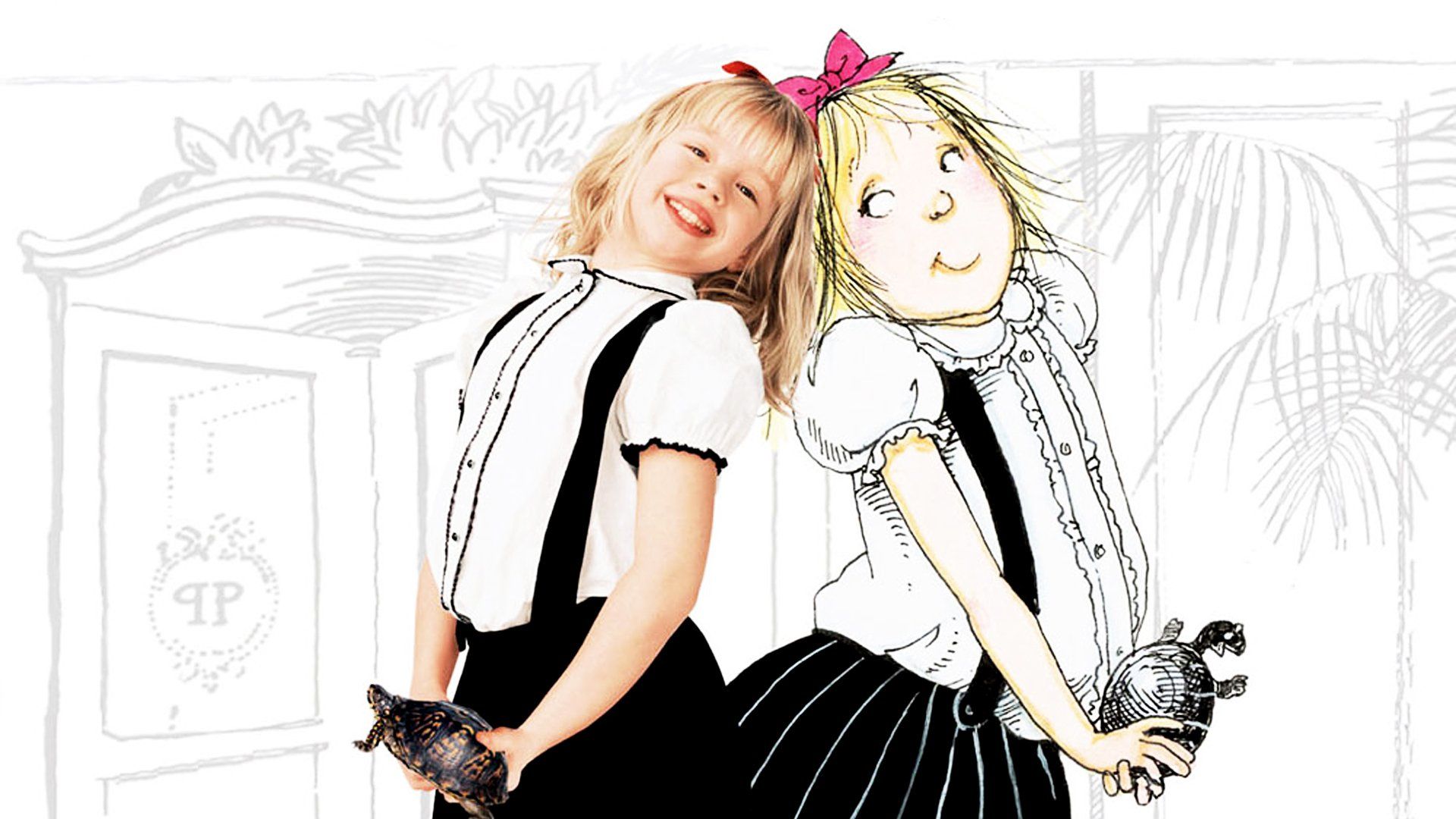
Kay Thompson was a powerhouse. She was a vocal coach for Judy Garland, a high-fashion editor in Funny Face, and a woman who basically commanded every room she ever entered. But honestly, most people today know her for a fictional child who lives on the "tippy-top floor" of a Manhattan landmark. Eloise at the Plaza Hotel isn't just a book series; it’s a permanent piece of New York City’s cultural infrastructure. It’s a vibe. It’s a reason why people still pay thousands of dollars a night to stay at 768 Fifth Avenue, hoping to catch a glimpse of a pug named Weenie or a turtle named Skipperdee.
It started as a bit. Thompson used to talk in this high-pitched, frantic voice to entertain her friends. She'd pretend to be this mischievous, wealthy, and slightly neglected little girl. One night, while performing at the Persian Room—the Plaza’s legendary nightclub—she brought the character to life. The rest is history. Illustrator Hilary Knight took those manic vocal tics and turned them into the girl with the floppy hair and the pink ribbon.
Since 1955, that girl has been the Plaza's unofficial mascot. You can't separate them anymore. If you walk into the lobby today, you’re looking for her. You're looking for the chaos.
The Real-Life Inspiration Behind the Chaos
A lot of people think Eloise was based on a real kid. Sorta.
Kay Thompson herself was the primary inspiration. She was eccentric, demanding, and fiercely independent. She lived at the Plaza. She lived that life. But there’s also the rumor that Liza Minnelli, Thompson's goddaughter, was the "real" Eloise. Minnelli spent a huge chunk of her childhood running through those gilded halls while her mother, Judy Garland, was busy being a superstar.
Think about the context of the 1950s. Kids were supposed to be seen and not heard. They were supposed to wear white gloves and sit still. Then comes Eloise. She skibbles. She makes "shlump" noises. She draws on the walls. She’s essentially a tiny anarchist with a room service budget.
The Plaza Hotel wasn't just a backdrop; it was a character. At the time, the hotel was the pinnacle of old-world luxury, a place where the Vanderbilt family and international royalty felt at home. To have a fictional six-year-old treat it like a personal playground was a stroke of marketing genius, even if it wasn't intended to be. It humanized the stuffy grandeur of the Gilded Age.
What it’s Actually Like to Stay in the Eloise Suite
If you have a few thousand dollars burning a hole in your pocket, you can actually stay in the Eloise Suite. It’s on the 18th floor. It was designed by Betsey Johnson, which tells you everything you need to know about the aesthetic.
It is pink. Very pink.
We’re talking pink-and-white striped walls, neon signs, and a king-sized bed with custom bedding. It’s not subtle. It’s designed to look like the daydream of a very wealthy, very hyperactive child. There’s a tea set. There are books. There’s a "precocious" sparkle to the whole thing that feels surprisingly authentic to Knight’s original illustrations.
But here’s the thing: most people don't actually stay there. They visit the Eloise Shop in the basement.
The shop is a destination in itself. It has a tea room. It has a library. It’s where you go to get the classic dolls, the striped pajamas, and the overpriced headbands. It’s a shrine to the brand. You’ll see grandmothers who read the books in the 50s bringing their granddaughters who are watching the animated specials. It’s one of those rare cross-generational connections that actually makes money.
The Famous Portrait Mystery
If you go to the Plaza, you have to see the portrait. It hangs near the Palm Court. It’s a massive oil painting of Eloise looking typically defiant.
But it’s not the original.
On Thanksgiving night in 1960, the original portrait was stolen. Just vanished. Kay Thompson actually went on television to offer a reward for its return. It was a huge scandal in the New York social scene. Was it a publicity stunt? Some people think so. Thompson was a master of PR. However, the painting was eventually found in a dumpster, though it was significantly damaged. Hilary Knight eventually painted a replacement, which is what you see today.
The original? It’s tucked away in a private collection now. That mystery just adds to the lore. It makes the character feel like she’s actually interacting with the real world, causing trouble even when she’s just paint on canvas.
Why We Are Still Obsessed With a Spoiled Six-Year-Old
Let’s be honest. Eloise is a brat. She’s loud, she’s messy, and she has zero supervision. Her mom is always in Paris or some other glamorous "elsewhere," leaving Eloise with Nanny.
So why do we love her?
Because she represents total freedom. She has the resources of an adult and the imagination of a child. She lives in a world without "no." In a city like New York, which can feel crushing and rigid, the idea of a kid who just does whatever she wants at the most expensive hotel in town is deeply cathartic.
Also, the writing is just objectively good. Thompson’s prose is breathless. It doesn't use much punctuation because Eloise doesn't have time for punctuation. She has to go to the mezzanine. She has to pester the waiter. She has to "rawther" do everything.
- The Nanny Factor: Nanny is the unsung hero. She’s the one who actually keeps the wheels on the bus while Eloise is causing a riot. She’s British, she’s tired, and she’s probably the most relatable character for any adult reading the book.
- The Luxury Travel Fantasy: For many, the book was their first introduction to the concept of a grand hotel. It taught a generation of kids what a concierge was and why you might want to order "two raisin toasts" from room service.
- The Art: Hilary Knight’s line work is iconic. The limited color palette—mostly black, white, and a very specific shade of pink—created a visual brand that has lasted seventy years. You see those lines and you know exactly what it is.
The Business of Being Eloise
The Plaza underwent a massive $450 million renovation in the mid-2000s. Part of it was converted into high-end condominiums. Through all that change—different owners, different eras—the Eloise brand remained a constant.
From a business perspective, she is "protected IP." The estate of Kay Thompson is notoriously careful about how the character is used. You don’t see Eloise on cheap cereal boxes. You see her in high-end collaborations.
- Fashion: Brands like Marc Jacobs have leaned into the "Eloise core" aesthetic.
- Tourism: The hotel offers "Eloise Tea" at the Palm Court. It’s expensive. It’s packed. It’s usually booked weeks in advance.
- Media: There were movies (starring a young Sofia Vassilieva and the legendary Julie Andrews as Nanny) and an animated series. They stayed remarkably true to the tone of the books.
The hotel knows that Eloise is their "get out of jail free" card. No matter how many newer, sleeker hotels open up in Midtown, none of them have a resident ghost-child with a cult following. You can't manufacture that kind of history.
What People Get Wrong About the Ending
There’s a common misconception that the series ended because Kay Thompson hated children. That’s a bit of an exaggeration.
Actually, Thompson pulled the books from print for years. She was a perfectionist. She felt the character was being overexposed. She wanted to control the narrative. She basically took Eloise into hiding, much like she lived her own later years in a sprawling apartment at the Plaza, shielded from the public eye.
It wasn't until after Thompson passed away in 1998 that the "sequels" (which were actually mostly completed manuscripts from the 60s) were finally released. Eloise in Paris, Eloise in Moscow, and Eloise at Christmas all eventually found their way back to the shelves.
The "ending" of Eloise is that there isn't one. She’s perpetually six. She’s perpetually at the Plaza. In a world where everything changes—where the Plaza itself has been sold and resold—Eloise is the one thing that stays the same.
How to Experience "Eloise" Like a Pro
If you’re planning a trip to New York and want the full experience without spending $2,000 on a suite, here is the move.
- Go for Tea, Not the Stay: The "Eloise Tea" at the Palm Court is the move. It’s $100+ per person, but you get the atmosphere, the sandwiches, and the feeling of being "important" without the overnight bill.
- Visit the Portrait: It’s free. It’s in the corridor near the Palm Court. Take a photo. Don't try to steal it.
- Hit the Shop at Off-Peak Hours: The Eloise Shop in the Todd English Food Hall area (the lower level) gets crazy on weekends. Go on a Tuesday morning if you can.
- Read the Original First: Before you go, re-read the 1955 original. Notice the details in Hilary Knight's drawings—the specific molding on the walls, the uniforms of the staff. Much of it is still there.
The reality of Eloise at the Plaza Hotel is that it’s a story about belonging. It’s about a kid who made a giant, intimidating building her home. Whether you're a fan of the books or just a curious traveler, that feeling of carving out your own space in a big city is something everyone can get behind.
If you want to dive deeper into the history of the hotel itself, look into the archives of the New York Public Library, which holds significant documents regarding the hotel's 1907 opening and its subsequent evolution. You can also check out Hilary Knight’s documentary, It’s Me, Hilary, which provides a much more intimate look at how the illustrations came to be.
Next time you’re in Midtown, stop by the fountain outside the Plaza. Look up at the top floors. Somewhere up there, in the collective imagination of New York, a little girl is probably ordering a ginger ale and causing a scene. And honestly? We wouldn't have it any other way.