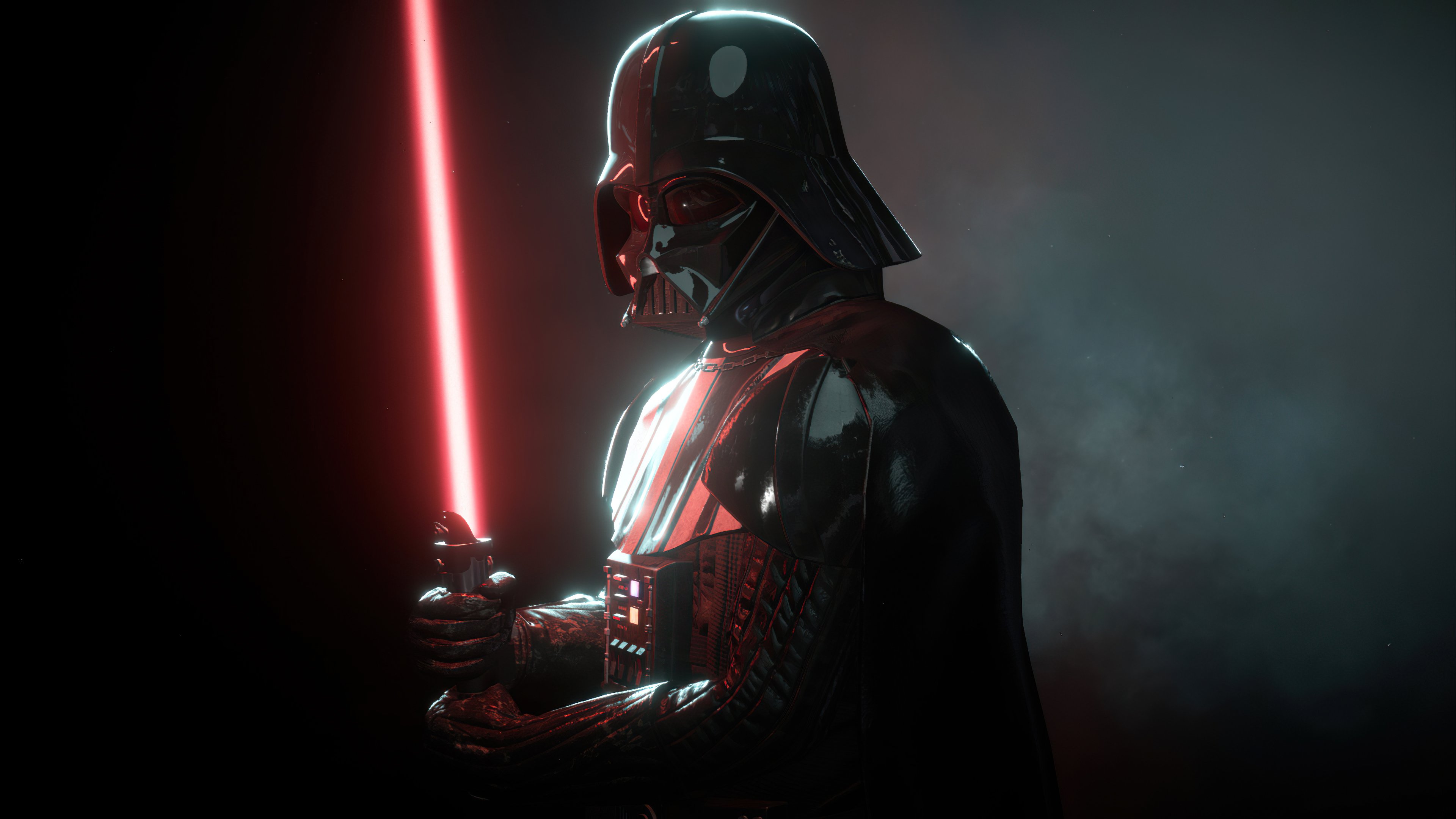
You know, it’s kinda weird when you think about it. If you search for Darth Vader the Clone Wars, you’re looking for a character who technically shouldn't even be there. Most of that three-year conflict was fought by Anakin Skywalker—the "Hero with No Fear"—not the guy in the black suit with the heavy breathing. But Dave Filoni and the team at Lucasfilm couldn't help themselves. They found ways to weave the dark shadow of Vader into a show that was supposed to be about his younger, more heroic self.
It's subtle at first.
Honestly, the way the show handles the transition is brilliant because it isn't just a sudden flip of a switch in Revenge of the Sith. We see the cracks. We see the anger. By the time we get to the final season, the presence of Darth Vader the Clone Wars fans had been waiting for finally manifests in a way that feels earned, tragic, and honestly pretty terrifying.
The Mortis Arc and the First Real Glimpse
If you want to get technical about when Vader first "appears," you have to go back to Season 3. The Mortis trilogy is basically a fever dream of Force mythology. Anakin, Obi-Wan, and Ahsoka end up on this ethereal plane where the Force is personified by the Father, the Son, and the Daughter.
It gets dark fast.
The Son, who represents the Dark Side, decides to show Anakin his future. He literally plays a highlight reel of Anakin’s greatest mistakes: choking Padmé, killing younglings, and eventually, the mask. It’s a haunting moment. For a few seconds, we see the smoky, translucent silhouette of Darth Vader right there in the middle of the Clone Wars. Anakin is horrified. He actually tries to change his destiny because of it, but the Father wipes his memory to keep the timeline intact. It’s a massive "what if" moment that reminds us the suit wasn't just a physical cage, but a destiny Anakin was already walking toward.
That Haunting Final Scene in Season 7
Let’s talk about the finale. Victory and Death.
The Clone Wars officially ended in 2020 with a four-part finale that most fans consider some of the best Star Wars media ever made. But the very last scene? That’s where Darth Vader the Clone Wars really hits home. The war is over. The Empire has risen. We see a snowy, desolate moon where the Venator-class Star Destroyer Tribunal crashed.
Vader lands a Lambda-class shuttle. He’s surrounded by Snowtroopers and probe droids. He doesn't say a single word. He just walks through the wreckage, finds Ahsoka’s discarded lightsaber, and ignites it. The blue glow reflecting off that cold, emotionless mask is a gut-punch.
It’s a wordless goodbye to his past life.
What's interesting here is the timing. This scene takes place some time after the events of Revenge of the Sith. We can tell because the Imperial military has already started transitioning their gear. Vader is fully established. He’s the Emperor’s Enforcer now. When he looks up at the bird—a Morai, which is closely linked to the Daughter and Ahsoka—you can almost feel the conflict he’s trying to suppress. It’s a perfect, silent bridge between the prequels and the original trilogy.
Why Anakin’s Behavior in the Show Matters
You can't really understand Darth Vader the Clone Wars without looking at how Anakin acted during the battles of Geonosis, Umbara, or Ryloth. The show did a lot of heavy lifting to make his fall believable. In the movies, it feels a bit rushed. In the show? He’s a ticking time bomb.
Take the interrogation of Poggle the Lesser. Anakin doesn't use Jedi mind tricks. He just closes the door, cuts off the cameras, and beats the information out of him. It’s brutal. It’s efficient. It’s exactly what Vader would do.
Then there’s the whole Admiral Trench situation. In the final season, Anakin just walks up to this spider-like separatist leader and cuts his arms off without blinking. No witty banter. No mercy. Just cold, calculated violence. It’s these moments where the line between the Jedi General and the Sith Lord starts to blur. The show basically argues that Darth Vader was always living inside Anakin Skywalker; the war just gave him the excuses he needed to let him out.
The Voice Transition
Have you ever noticed how Matt Lanter’s voice changes as the series progresses? Early on, he’s got that cocky, heroic tone. By Season 7, his cadence starts to slow down. He gets deeper. He sounds more like James Earl Jones.
It’s a deliberate choice.
During the Siege of Mandalore, when he's talking to Ahsoka for the last time before they go their separate ways, there’s a weight to his voice that wasn't there in Season 1. He’s tired. He’s frustrated with the Council. He’s already "Vader" in spirit, even if he hasn't been knighted by Sidious yet.
The Visions and the Ghosts
Beyond the physical appearances, Vader haunts the show through visions. In the Yoda arc at the end of Season 6, the Jedi Master travels to the heart of the galaxy. He faces a shadow version of himself, but he also hears the voice of the future.
He hears the breathing.
It’s a reminder that while the Jedi are worried about Count Dooku and General Grievous, the real threat is already sitting in their own backyard. The presence of Darth Vader the Clone Wars is felt in the way the atmosphere of the show shifts from a bright adventure to a dark, operatic tragedy.
Actionable Steps for Fans and Researchers
If you're trying to track the specific moments where the Vader persona leaks through, there’s a specific way to watch the series to see the "descent" clearly.
- Watch the Mortis Arc (Season 3, Episodes 15-17): This is the literal blueprint of his fall. Look at the way the Son manipulates Anakin’s fear.
- Analyze the Rako Hardeen Arc (Season 4, Episodes 15-18): This is where Anakin’s trust in Obi-Wan and the Council is shattered. His reaction to Obi-Wan "dying" is pure Vader-level rage.
- Focus on the Clovis Arc (Season 6, Episodes 5-7): If you want to see the jealous, possessive side of Vader, this is it. The way he beats Clovis nearly to death is terrifyingly human and dark.
- The Final Four Episodes (Season 7, Episodes 9-12): This is the "Siege of Mandalore." Watch for the lack of humor in Anakin’s combat style. He is no longer playing a game; he is a weapon of war.
The reality is that Darth Vader the Clone Wars isn't just about a cameo in a mask. It’s a character study of a man losing his soul in real-time. By the time the credits roll on the final episode, you realize the Clone Wars weren't won by the Republic or the Separatists. They were won by the Sith. And the greatest casualty wasn't the clones or the Jedi—it was the man Anakin Skywalker used to be.