If you were around a radio in 1982, you heard it. That synth-heavy, perfectly polished hook that starts with a question: Do You Believe in Love. It was the track that put Huey Lewis and the News on the map, but here’s the thing—the band actually hated it at first.
Honestly, it’s kinda funny looking back. We associate Huey Lewis with that gritty, blue-collar San Francisco bar-band sound. Think "Workin' for a Livin'" or "The Heart of Rock & Roll." But their first big breakout hit? It wasn't written by them, it didn't sound like them, and they only recorded it because they were basically broke and desperate.
The story of how this song happened is a weird mix of international songwriting deals, a producer who would later define the sound of Def Leppard, and a band that was one flop away from being a footnote in music history.
The Mutt Lange Connection
In the early 80s, Huey Lewis and the News were a "safe" bet that wasn't paying off. Their self-titled debut album in 1980 had tanked. Chrysalis Records was breathing down their necks, essentially saying, "Give us a hit, or you’re done."
Enter Robert John "Mutt" Lange.
Before he was the guy making Shania Twain and Bryan Adams global superstars, he had a history with Huey. Huey’s old band, Clover, had worked with Lange in the UK during the late 70s. Lange had this song lying around called "We Both Believe in Love." He’d already given it to a British band called Supercharge, who released it in 1979. It did absolutely nothing.
Lange, who clearly saw the "sonic gem" hidden in the arrangement, offered it to Huey for their second album, Picture This.
Changing the Vibe
Huey Lewis wasn't exactly thrilled. The band prided themselves on their own songwriting and that "News" sound—heavy on the brass and the harmonica. Lange’s demo was, well, very pop. It felt a bit too "produced" for a group of guys who spent their nights playing sweaty clubs in Marin County.
But their manager, Bob Brown, gave them a reality check. They needed a hit to stay alive.
Huey took the song and made a few surgical changes. Most importantly, he changed the title and the main lyric from "We Both Believe in Love" to "Do You Believe in Love." It seems like a small tweak, but it changed the entire dynamic of the track. Instead of a statement, it became an invitation. It became a question that pulled the listener in.
They recorded it at The Automatt in San Francisco, with Huey handling the production alongside the band. Even though they were skeptical, they gave it everything. The result was a track that peaked at number 7 on the Billboard Hot 100 in April 1982.
That Music Video and the Shatner Connection
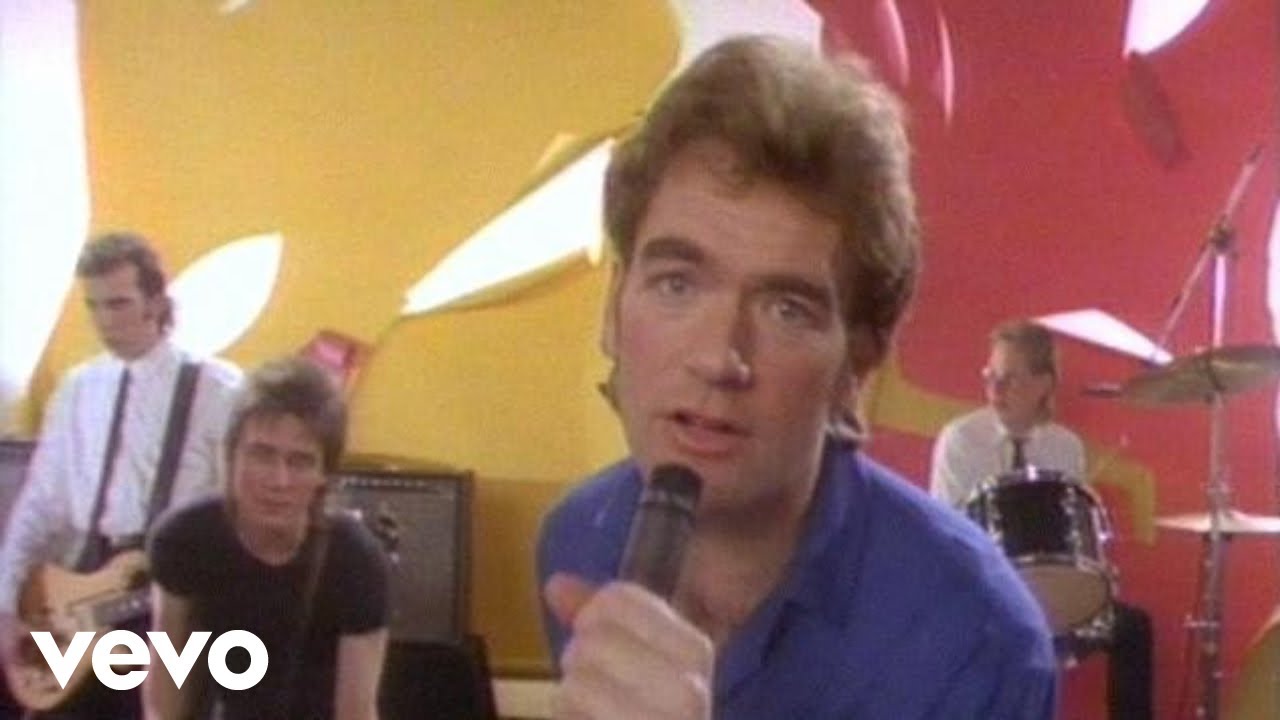
You can't talk about Do You Believe in Love without talking about the video. This was the early days of MTV—the "Wild West" era where nobody really knew what they were doing.
The video features the band essentially "waking up" a girl in her bedroom by singing to her. It’s incredibly cheesy by today’s standards, but it worked. It showed off the band’s personality—they weren't moody rock stars; they were the guys you wanted to grab a beer with.
Fun fact: The girl in the video is Lisabeth Shatner, daughter of William Shatner.
The video helped cement the image of the band as "regular Joes" who just happened to be incredibly tight musicians. It was the perfect counter-programming to the "New Romantic" movement coming out of the UK at the time. While other bands were wearing lace and heavy eyeliner, Huey was wearing a plain t-shirt and jeans.
Why the Song Still Works
Musically, the song is a bit of an outlier in their catalog. If you listen closely, it’s got that signature Mutt Lange "stack" of vocals. The harmonies are almost too perfect.
- The Hook: That opening keyboard riff is an instant earworm.
- The Tempo: It sits in that mid-tempo "power pop" sweet spot.
- The Vocals: Huey’s voice provides the grit that keeps the song from becoming too saccharine.
While the band might have felt "downtrodden" by the fact that their first hit was an outside song, it gave them the leverage they needed. Without the success of Picture This and its lead single, we never get Sports. We never get the multi-platinum success of the mid-80s.
It was a "teachable moment," as Huey later described it. It taught them how to structure a hit. They took those lessons and applied them to their own writing, leading to "The Power of Love" and "Stuck with You" just a few years later.
The Chart Legacy
The song's impact wasn't just limited to 1982. In 1985, following the massive success of Back to the Future, "Do You Believe in Love" was re-released in the UK as a double A-side with "The Power of Love."
It ended up hitting number 9 in the UK, proving the song had legs. It wasn't just a flash in the pan; it was a well-crafted piece of pop-rock that resonated across borders.
How to Appreciate the Track Today
If you want to really "get" why this song matters, don't just stream the radio edit. Look for the live versions from the early 80s. You can hear the band trying to "rock it up" more than the studio version allows.
Practical steps for music fans:
- Listen to the original: Find the Supercharge version ("We Both Believe in Love") on YouTube. It’s a fascinating look at how much a different arrangement and a better singer can change a song's fate.
- Check the credits: Look at the liner notes for Picture This. You’ll see the mix was handled by Bob Clearmountain, the legendary engineer who worked with everyone from Springsteen to The Rolling Stones. That’s why the drums sound so crisp.
- Compare the eras: Play "Do You Believe in Love" back-to-back with "I Want a New Drug." You can hear the evolution from "doing what the label wants" to "owning the sound."
Ultimately, the song is a reminder that sometimes the thing you're most afraid of—in this case, "selling out" with a pop song—is the thing that actually sets you free to do what you want later. Huey Lewis and the News didn't lose their soul with this track; they bought their future.
To dig deeper into the band's transition from pub rock to arena stars, track down the 2020 interviews Huey gave around the release of their final album, Weather. He speaks candidly about his hearing loss (Meniere's disease) and looks back at these early hits with a lot more affection than he used to. It’s a masterclass in how an artist’s relationship with their biggest hits evolves over forty years.
Actionable Insight: If you're a musician or creator feeling pressured to "go commercial," remember that even Huey Lewis had to play the game once to win it. Study the 1982 Picture This production style to understand how to blend "bar band" energy with "radio-ready" polish. This specific balance is exactly what made the 80s sound so enduring.