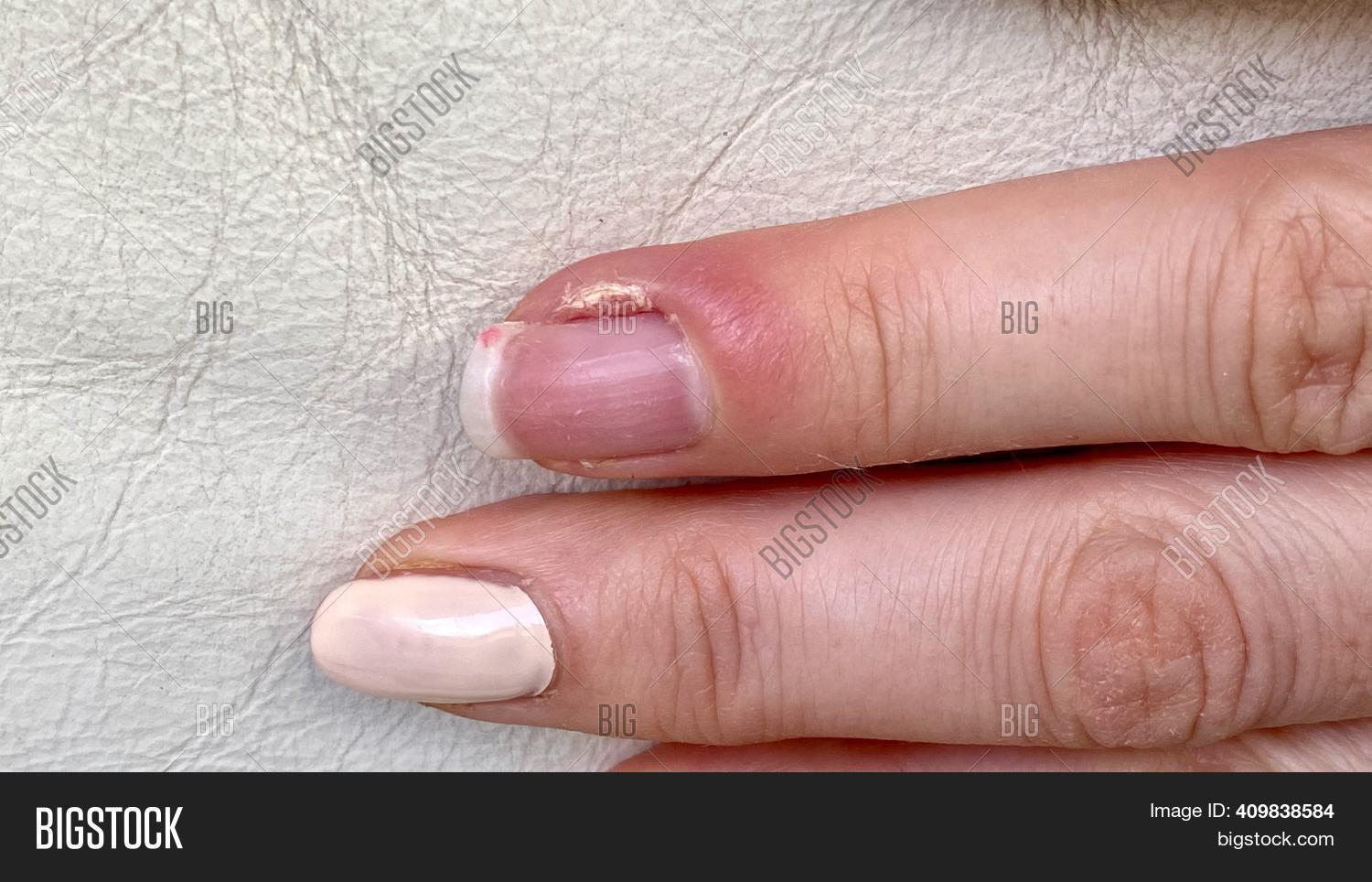
You’re staring at that red, throbbing skin around your cuticle and wondering if it’s time to call the doctor. It hurts. Like, really hurts. Maybe it’s a bit swollen, or perhaps there’s a tiny pocket of yellowish pus staring back at you. When it comes to finding the right antibiotics for fingernail infection, most people think a quick pill will solve everything. But the reality is a bit more nuanced than just popping a Z-pack and calling it a day.
Fingernail infections, or paronychia, are incredibly common. They happen because we bite our nails, push back cuticles too aggressively, or spend too much time with our hands in water. Bacteria love those little breaks in the skin. Staphylococcus aureus is usually the main culprit. It’s a stubborn little organism. Honestly, if you’ve ever had a hangnail turn into a "hot potato" finger, you know that the pressure is often worse than the actual infection.
Why antibiotics for fingernail infection aren't always the first step
Most people assume they need a prescription immediately. That's not always the case. According to the American Academy of Family Physicians (AAFP), if the infection is caught early and there’s no abscess (a collection of pus), warm water soaks might actually do the trick. You soak the finger for about 15 minutes, three or four times a day. It sounds too simple, right? But it works by increasing blood flow to the area and helping the body’s own immune system fight back.
But what if it doesn't get better?
That is when we start talking about the heavy hitters. If the area is bright red, streaks are moving up your finger, or the pain is keeping you awake, a doctor is going to look at specific antibiotics for fingernail infection. They usually go for something that covers "Gram-positive" bacteria.
The go-to medications doctors actually prescribe
Dicloxacillin is a classic choice. It’s a penicillin-type antibiotic that specifically targets Staph. However, it’s not for everyone. Some people find it tough on the stomach. Cephalexin (Keflex) is another extremely common option. It’s generally well-tolerated and does a great job of knocking out the bacteria that cause skin infections.
Then there is the issue of MRSA. Methicillin-resistant Staphylococcus aureus is a mouthful, but it’s basically a version of Staph that has learned how to dodge common antibiotics. If your doctor suspects MRSA—maybe because you’ve been in a hospital recently or the infection isn't responding to standard treatment—they might pivot. Trimethoprim-sulfamethoxazole (Bactrim) or Clindamycin are the usual suspects here. Clindamycin is effective but carries a risk of causing C. diff, a nasty stomach issue, so it’s usually not the first thing a doctor grabs unless they have to.
Identifying the difference between bacterial and fungal issues
This is where it gets tricky. If your nail infection has been lingering for weeks, it might not be bacterial at all. Chronic paronychia is often fungal. If you use antibiotics for fingernail infection on a fungal growth, you are basically doing nothing. It’s like bringing a knife to a gunfight, but the knife is also made of cardboard.
Fungal infections usually look different. They are less "angry red and throbbing" and more "boggy and swollen over time." This is common in people who work as bartenders, housecleaners, or anyone whose hands are constantly wet. In these cases, your doctor won't give you Cephalexin. They’ll give you an antifungal like Clotrimazole or Ketoconazole. Sometimes, they might even suggest a steroid cream to calm down the inflammation. It’s a completely different ballgame.
When the "wait and see" approach fails
You have to know when to stop soaking and start calling. If you see a "point" or a white/yellow head on the swelling, that's an abscess. No amount of oral medication is going to easily penetrate a pocket of pus. Doctors call this "Source Control." They’ll likely perform an Incision and Drainage (I&D).
It sounds scary. It’s not. They numb the area (which admittedly stings for a second) and then make a tiny nick to let the pressure out. The relief is almost instantaneous. Once the pus is out, they might not even give you antibiotics for fingernail infection because the body can often handle the rest once the "nasty stuff" is drained.
The danger of DIY surgery
We have all been there. You see a needle, you think you can "pop" it yourself. Don't. Your sewing needle isn't sterile, no matter how long you hold it over a lighter. Introducing new bacteria into an already infected space is a recipe for cellulitis. Cellulitis is when the infection spreads deep into the skin tissues. If your whole hand starts swelling or you get a fever, you've moved past a simple nail issue into "urgent care" territory.
What to do right now for your finger
If you are currently dealing with a painful nail, start with the basics.
- Clean the area with mild soap and water. No need for harsh scrubbing.
- Soak the finger in warm water. You can add Epsom salts if you want, though plain water is often enough.
- Apply an over-the-counter antibiotic ointment like Bacitracin or Polysporin. Avoid Neosporin if you have sensitive skin, as many people are actually allergic to the Neomycin in it, which can make the redness look worse.
- Keep it dry between soaks. Bacteria love moisture.
- Stop biting your nails. Seriously. The mouth is one of the dirtiest places on earth, and transferring those oral bacteria to your nail bed is asking for trouble.
If the redness is spreading or the pain is worsening after 24 hours of home care, see a professional. They will determine if you need a culture—where they swab the area to see exactly what is growing—to ensure the antibiotics for fingernail infection they prescribe are actually the right ones for your specific "bug."
Preventive measures to keep your cuticles healthy
The best way to handle these infections is to never get them. It sounds obvious, but cuticle health is ignored until it hurts. Use a thick moisturizer or "cuticle butter" before bed. This keeps the skin from cracking. If you get manicures, bring your own tools or ensure the salon uses an autoclave for sterilization. Never let a technician cut your cuticles; they should only be gently pushed back.
Actionable Next Steps
- Check for an abscess: If there is a visible pocket of pus, do not wait. See a doctor for a professional drainage; antibiotics alone often won't fix a walled-off infection.
- Start the 24-hour soak test: Use warm water soaks 3-4 times today. If there is no improvement in 24 hours, or if pain increases, schedule an appointment.
- Review your medical history: If you are diabetic or immunocompromised, skip the home remedies and see a doctor immediately. Fingernail infections can escalate much faster in people with these conditions.
- Verify your meds: If prescribed antibiotics, finish the entire course even if the finger feels better after two days. Stopping early is how we get antibiotic-resistant "superbugs."
- Swap your soap: Use a gentle, fragrance-free cleanser while the skin is healing to avoid further irritation of the delicate nail fold.