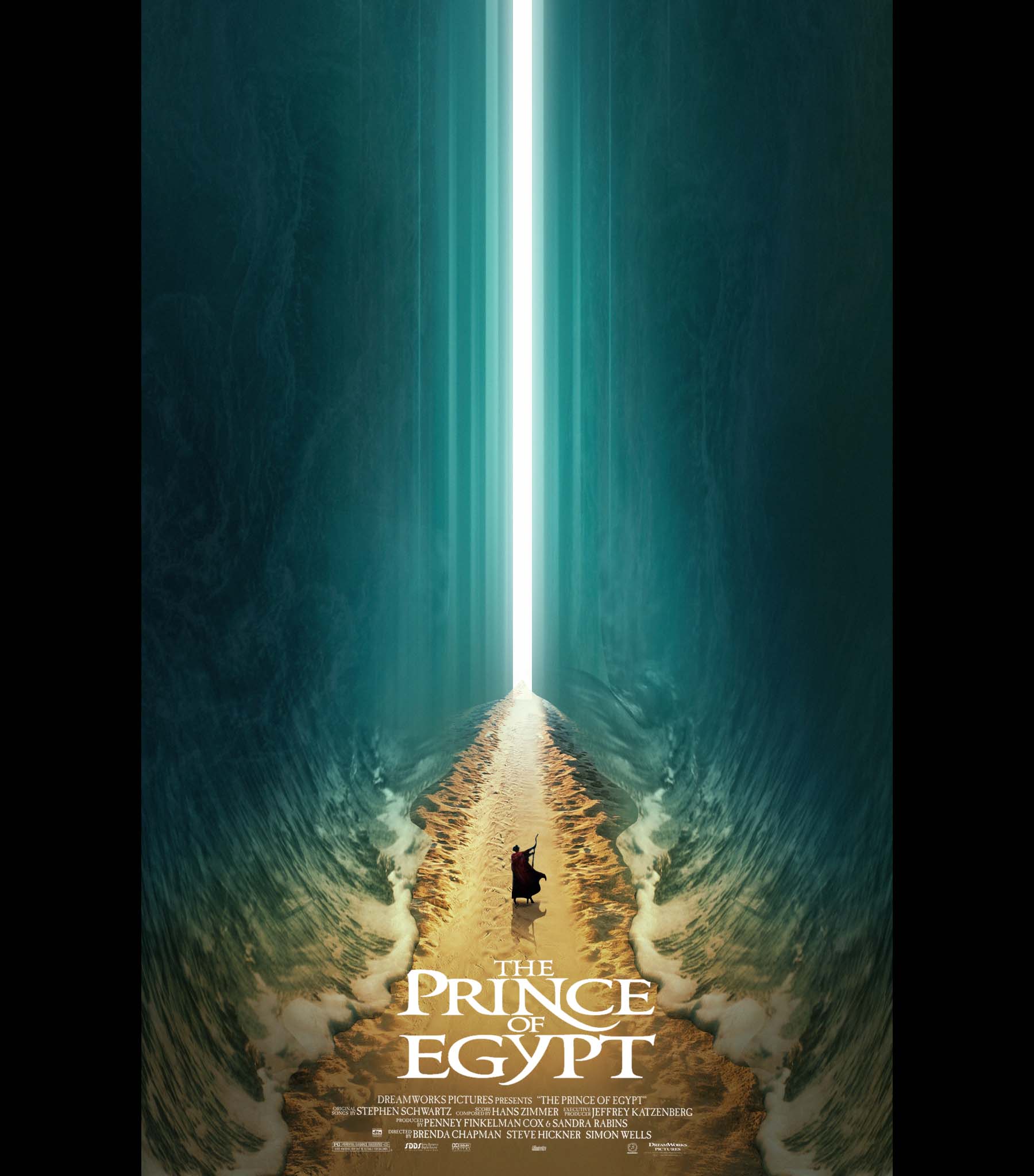
It is almost impossible to look at the opening credits of DreamWorks' 1998 masterpiece without feeling a little bit overwhelmed. Seriously. Just look at those names. You have Val Kilmer, Ralph Fiennes, Michelle Pfeiffer, Sandra Bullock, Jeff Goldblum, Danny Glover, Patrick Stewart, Helen Mirren, Steve Martin, and Martin Short.
That isn't just a voice cast; it’s an Oscar-season red carpet from the mid-nineties compressed into a single recording studio.
When DreamWorks was still the scrappy newcomer trying to take a bite out of Disney’s lunch, they didn't just want to make a cartoon. They wanted to make an epic. To do that, Jeffrey Katzenberg knew he needed more than just "funny voices." He needed gravitas. He needed actors who could handle the weight of the Exodus story without it feeling like a Sunday school felt-board presentation.
The result? The Prince of Egypt 1998 cast became the gold standard for how to use A-list celebrities in animation—not just for marketing clout, but for actual, bone-deep performance.
The Dual Roles of Val Kilmer
Most people know Val Kilmer voiced Moses. He brought this weirdly perfect mix of frat-boy arrogance in the first act and shattered humility in the second. But here is the thing that often gets lost in the trivia sections: Kilmer also provided the voice of God.
Originally, the producers tried a bunch of different things for the "Burning Bush" sequence. They thought about using a massive, booming orchestral voice. They thought about a chorus. But they eventually realized that the voice of God should sound like the voice in your own head. So, they had Kilmer whisper his lines. The sound engineers then layered those whispers into a shimmering, multi-tonal presence.
It’s an intimate choice. It makes the dialogue between Moses and the Creator feel like a private internal struggle rather than a loud public announcement. Kilmer was at the height of his "difficult genius" era here, coming off Heat and The Ghost and the Darkness, and you can hear that intensity in every rasp.
Ralph Fiennes and the Tragedy of Rameses
If Kilmer is the soul of the movie, Ralph Fiennes is the heart. Honestly, his performance as Rameses is probably the best "villain" turn in any animated movie, mostly because he isn't really a villain. He’s a brother who is trapped by legacy.
Fiennes had just come off Schindler’s List and The English Patient. He brought a Shakespearean weight to the role. When Rameses says, "I will not be the weak link," you don't hear a mustache-twirling bad guy. You hear a man who is absolutely terrified of failing his father.
The chemistry between Fiennes and Kilmer—despite them often recording separately—is the engine that drives the film. The tragedy isn't that they hate each other. The tragedy is that they love each other but are forced into a cosmic conflict they didn't ask for.
The Supporting Powerhouse
While the brothers take center stage, the Prince of Egypt 1998 cast is filled out by people who could have headlined their own movies.
Take Michelle Pfeiffer as Tzipporah. She doesn't just play a "love interest." She’s the moral compass. And yes, that is actually her singing "When You Believe." Most of the cast did their own singing, which was a huge gamble for a movie with a score by Stephen Schwartz and Hans Zimmer.
Then you have Sandra Bullock as Miriam. It’s a relatively quiet role, but her "River Lullaby" brings the entire film full circle. It’s easy to forget that in 1998, Bullock was arguably the biggest female star on the planet. Putting her in a supporting role felt like a massive flex by DreamWorks.
And then there’s the comic relief. Or, well, the "sorta" comic relief.
- Jeff Goldblum as Aaron: He plays it surprisingly straight. There’s none of that typical Goldblum stutter-humor. He’s cynical, tired, and rightfully wary of his brother's return.
- Patrick Stewart and Helen Mirren: They play Pharaoh Seti and Queen Tuya. They provide the "prestige" anchor for the first third of the movie.
- Steve Martin and Martin Short: As the priests Hotep and Huy, they provide the only real "Disney-style" villainy. Their song "Playing with the Big Boys" is a masterclass in smugness.
Why This Specific Cast Worked Where Others Failed
In the decades since 1998, we’ve seen a lot of animated movies throw celebrities at the screen just to put names on a poster. Usually, it’s distracting. You spend the whole time thinking, "Oh, that’s Will Smith as a fish."
But the Prince of Egypt 1998 cast disappeared into their roles.
Why? Because the directors (Brenda Chapman, Steve Hickner, and Simon Wells) pushed for naturalism. They didn't want the actors to "act" like they were in a cartoon. They wanted them to act like they were in a live-action historical drama.
When you hear Danny Glover as Jethro singing "Through Heaven's Eyes," he isn't trying to be a Broadway star. He’s singing with the gravelly, joyful voice of a village elder. It feels authentic. It feels lived-in.
The Missing Voices
Interestingly, there were some famous people involved who didn't end up in the final cut—or at least, not in the way you’d expect.
Ofra Haza, the Israeli singer who voiced Yocheved (Moses' mother), actually sang "Deliver Us" in seventeen different languages for the various international dubs of the film. She was a massive star in the Middle East and brought a level of cultural authenticity that the film desperately needed. Her passing shortly after the film's release adds a layer of genuine sadness to her haunting opening melody.
The Technical Brilliance of the Voice Direction
Voice acting for animation usually happens in a vacuum. Actors stand in a booth, alone, staring at a script.
However, for The Prince of Egypt, there were several sessions where the actors were allowed to play off one another. Fiennes and Kilmer specifically worked on their timing to ensure the brotherly banter felt real. This is why the scene where they spray water on each other in the palace feels so lighthearted compared to the darkness that follows.
You’ve also got the sheer scale of the sound. Hans Zimmer’s score demanded voices that could compete with a 100-piece orchestra. If you had cast "smaller" voices, they would have been swallowed up by the Red Sea.
Actionable Takeaways for Cinephiles
If you haven't revisited this film in a while, do yourself a favor and watch it with a good pair of headphones. The vocal performances are nuanced in a way that modern 3D animation often ignores.
- Listen for the "God" Whispers: Pay close attention to the Burning Bush scene. Try to pick out the different layers of Val Kilmer’s voice. It’s a technical marvel of 90s sound design.
- Compare the Singing: Note that while Pfeiffer and Kilmer did their own singing, Ralph Fiennes did not. His singing voice was provided by Amick Byram. It’s a seamless transition, but once you know, you can hear the slight shift in timbre.
- Watch the Expressions: The animators filmed the actors while they recorded their lines. If you look at Rameses, you can see Ralph Fiennes’ specific facial tics—especially the way he uses his eyes to convey hurt.
- The International Versions: If you can find them, listen to Ofra Haza’s other versions of "Deliver Us." Her ability to maintain the emotional weight across different languages is staggering.
The Prince of Egypt 1998 cast wasn't just a collection of celebrities; it was a carefully curated ensemble that treated animation with the same respect as a Best Picture contender. That’s exactly why the movie hasn't aged a day since its release. It’s a reminder that when you marry top-tier talent with a script that treats them like adults, you get something that lasts forever.
Next Steps for Fans: Check out the "Making Of" documentaries usually found on the Blu-ray or 4K anniversary editions. They show rare footage of the cast in the recording booths, which gives you a much better appreciation for the physical work Kilmer and Fiennes put into their roles. Also, look up the soundtrack's "Collector's Edition," which features several tracks that didn't make it into the final film but feature the same vocal talent.