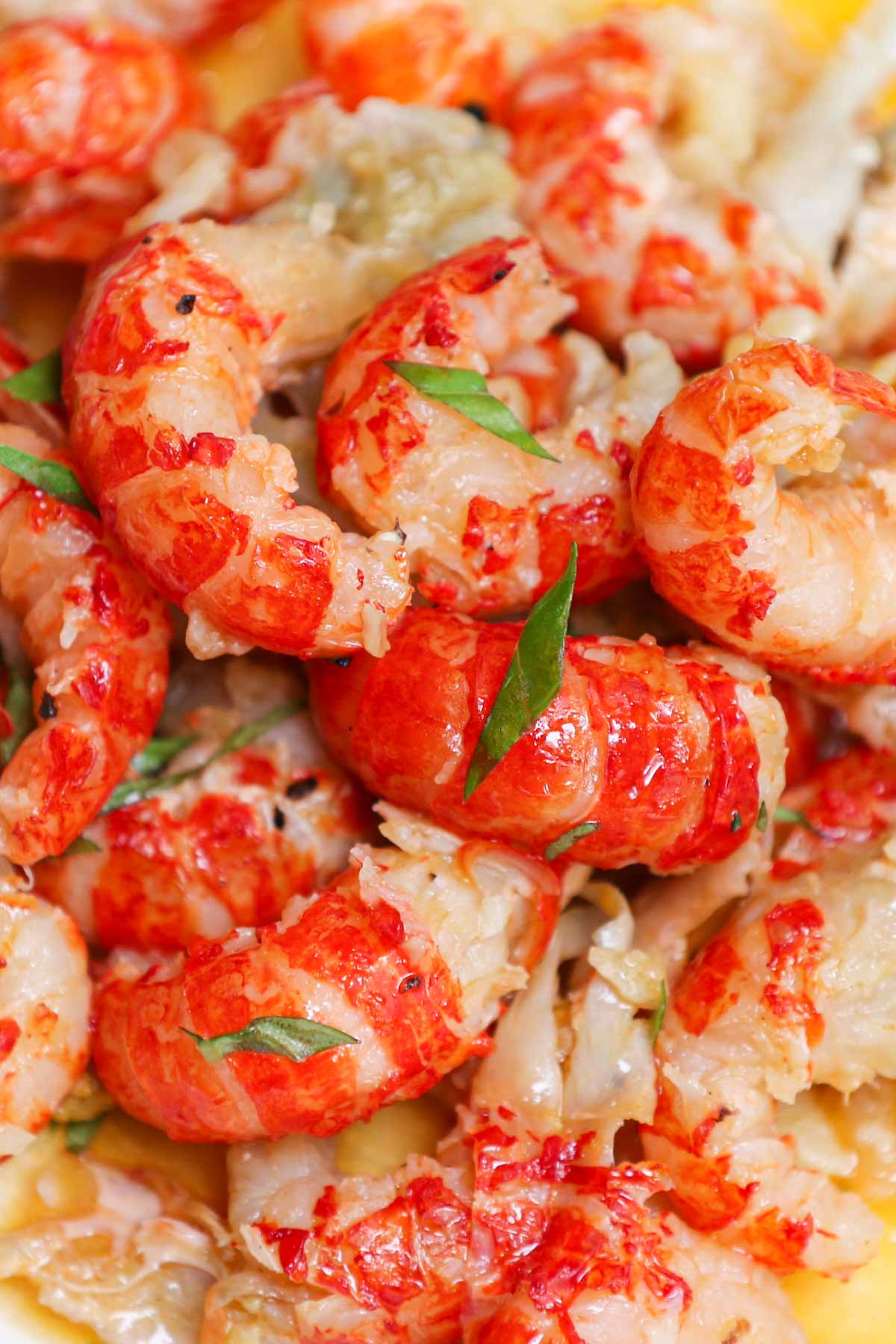
Crawfish are messy. Let’s just be honest about it. While there’s a certain primal joy in standing over a newspaper-covered folding table in a humid backyard, ripping heads off and sucking out the fat, sometimes you just want the flavor without the frantic scrubbing of your fingernails afterward. That’s where recipes with crawfish tails come in. You get that sweet, lobster-adjacent meat without the labor. It's basically the "cheat code" of Cajun cooking.
People often think you need to live in a swamp to get the good stuff. Not true. Most grocery stores now carry frozen, pre-cooked crawfish tails in 12-ounce or 1-pound packs. If you can find the ones from Louisiana (check the back of the bag for the "Certified Louisiana" logo), grab them. The imported ones from China or Spain are okay in a pinch, but they often lack that rich, orange fat—the "liquid gold"—that clings to the meat and gives a dish its soul.
The Etouffée Standard
If we’re talking about recipes with crawfish tails, the conversation starts and ends with Etouffée. The word literally means "smothered" in French. You aren't boiling these things; you're bathing them in a blonde or peanut-butter-colored roux.
A lot of people mess this up by making the roux too dark. For gumbo? Sure, go dark. For crawfish? Keep it lighter. You want to taste the delicate meat, not just toasted flour. You start with the "Holy Trinity"—onions, bell peppers, and celery—sautéed in butter until they’re soft and translucent.
Then you add your flour. Stir it. Watch it. Don't walk away to check your phone. Once it smells nutty, you whisk in seafood stock or even just water. When that thickens into a velvety gravy, you drop in the tails. They only need about five to ten minutes to get happy. If you overcook them, they turn into rubber erasers. Nobody wants to eat a rubber eraser.
Why the Fat Matters
When you open a bag of frozen tails, you’ll see some yellow-orange gunk. Do. Not. Rinse. It. Off. That is the hepatopancreas, commonly called the fat. It carries all the concentrated crawfish flavor. In high-end Cajun restaurants like Commander’s Palace or K-Paul’s Louisiana Kitchen, chefs treat that fat like gold. If you rinse your tails, you’re basically washing the flavor down the drain. You might as well be eating tiny, flavorless shrimp at that point.
Beyond the Traditional Pot
You don't have to stay in the 1800s with your cooking. Modern recipes with crawfish tails have migrated into some pretty weird, but delicious, territory.
- Crawfish Mac and Cheese: This is the ultimate comfort move. Use a sharp white cheddar and maybe a dash of smoked paprika. The sweetness of the crawfish cuts through the heavy fat of the cheese perfectly.
- Crawfish Enchiladas: This is a huge staple in "Tex-Mirliton" or border-style Cajun cooking. Use a creamy poblano sauce instead of a red salsa. The earthiness of the peppers works with the shellfish.
- The Crawfish Roll: Think of a Maine lobster roll, but smaller and slightly more "swampy." Toss the tails in a little lemon butter and pile them into a toasted brioche bun. It’s faster than a traditional boil and way more elegant for a lunch party.
The Secret of the "Seasoned" Tail
One thing a lot of home cooks overlook is that pre-packaged tails are usually unseasoned. When you buy whole crawfish from a boil, they’ve been soaking in cayenne, lemon, garlic, and salt. Frozen tails are blank slates.
To fix this, you need to be aggressive with your seasoning. Tony Chachere’s or Slap Ya Mama are the standard-issue blends, but if you want to be fancy, make your own. You need a high ratio of paprika for color and a decent kick of white pepper. White pepper hits the back of the throat differently than black pepper; it’s a slower, more lingering heat that complements seafood.
Common Mistakes and How to Avoid Them
The biggest tragedy in recipes with crawfish tails is the watery sauce. This happens when people don't defrost the tails properly. If you throw a block of frozen meat and ice into a hot pan, the ice melts, dilutes your seasoning, and breaks your emulsion.
Always thaw the tails in the fridge overnight. If you're in a rush, put the sealed bag in a bowl of cool water. Once they’re thawed, drain the excess water, but again—save that yellow fat!
Another mistake? Using pre-minced garlic from a jar. Just don't. The acidity in the preserving liquid ruins the sweetness of the crawfish. Take the thirty seconds to smash a fresh clove. Your taste buds will thank you.
Texture Control
Crawfish meat is tender. It’s more delicate than shrimp and less firm than lobster. Because of this, you should always add the tails at the very end of the cooking process. If you’re making a pasta—like a Crawfish Monica—toss the tails in just long enough to warm them through. If the meat starts to curl into tight, hard little "O" shapes, you've gone too far. You want them to stay in a loose "C" shape.
Finding the Best Meat
Check the origin. It’s a point of pride in the South, but it’s also a quality issue. Louisiana crawfish are harvested from rice paddies and the Atchafalaya Basin. They have a cleaner, sweeter taste.
If you see "Product of China" on the bag, it's not the end of the world, but be aware that the processing standards and the diet of the crawfish are different. They tend to be a bit tougher and lack that crucial fat. If you have to use the imported stuff, you might want to add a little extra butter or a dash of bottled concentrated shrimp base to kick up the flavor.
Actionable Steps for Your Next Meal
- Buy Local if Possible: Look for the Louisiana Crawfish Promotion & Research Board seal. It actually makes a difference in the fat content.
- The Trinity is Non-Negotiable: Use a ratio of 2 parts onion, 1 part bell pepper, and 1 part celery. This is the aromatic base for almost any successful crawfish dish.
- Don't Over-Salt Early: Most Cajun seasoning blends are very high in sodium. Season your vegetables as they sauté, but wait until the very end to add more salt. Once the tails are in, the salt levels will shift.
- Temper Your Dairy: If you're making a creamy crawfish pasta or soup, make sure your heavy cream is at room temperature before adding it to the pot. Cold cream can curdle if it hits a hot, acidic base (like one with wine or lemon).
- Acid is Your Friend: A squeeze of fresh lemon juice right before serving cuts through the richness of the roux or the cream and makes the crawfish "pop."
Whether you’re tossing them into a spicy jambalaya or stuffing them into a decadent bread bowl with dip, recipes with crawfish tails are about as versatile as it gets. You get all the credit for "authentic" Southern cooking with about 10% of the cleanup. Just keep the heat medium, the butter plentiful, and never, ever rinse that bag.