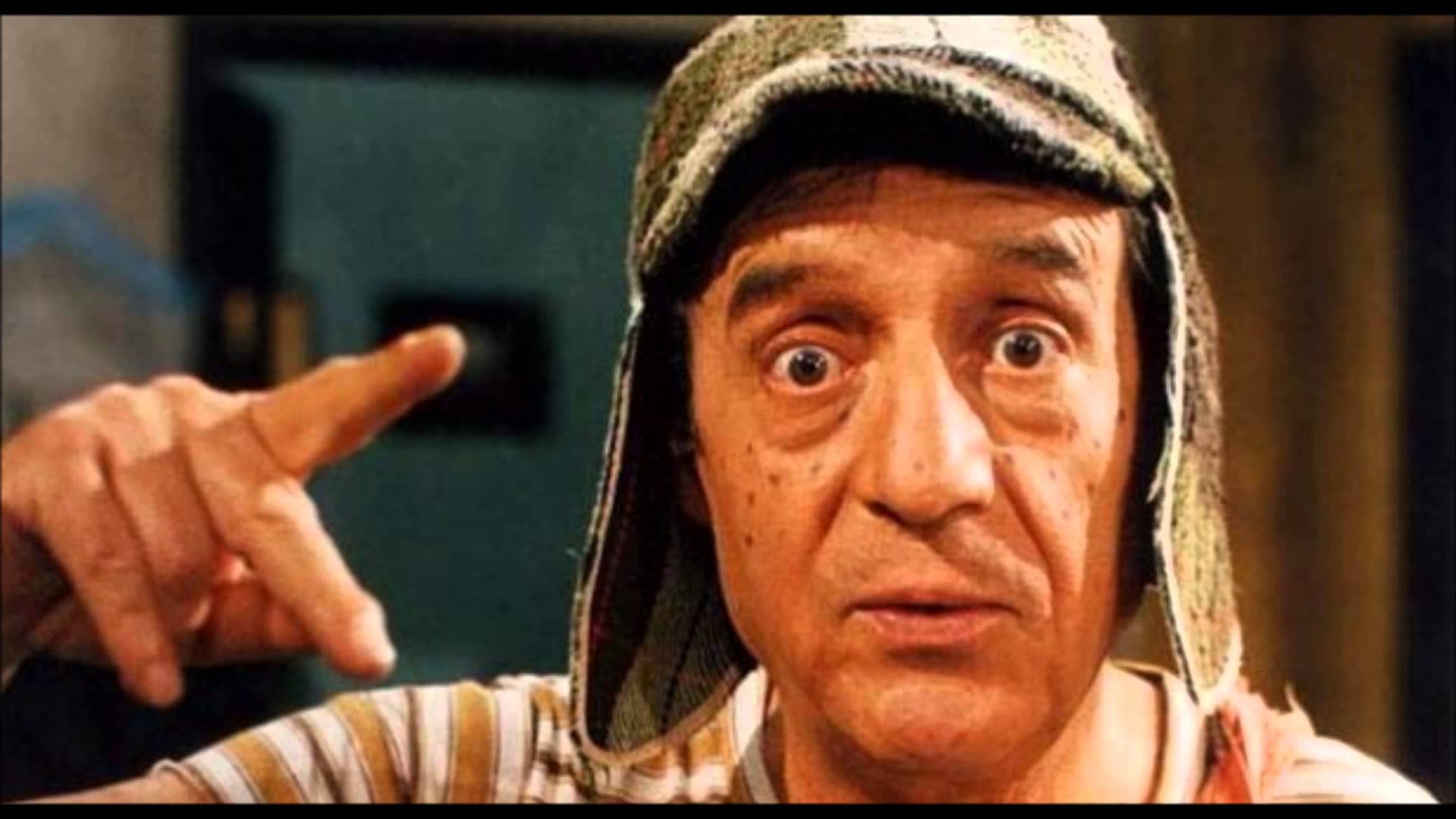
You know that barrel. If you grew up in Latin America, or even if you just stumbled onto Spanish-language TV late at night, you know the neighborhood. The "vecindad" is a place where time sort of stands still. Roberto Gómez Bolaños, known to everyone as Chespirito, created something that shouldn't really work on paper—a grown man in a flat cap and suspenders playing an eight-year-old orphan. But El Chavo del Ocho episodes became a cultural juggernaut that surpassed mere television. It became a shared language.
It’s honestly wild to think that a show which stopped producing original independent episodes in 1980 is still pulling in massive numbers on streaming and syndication. People don't just watch it for the laughs. They watch it because it feels like home, even if that home is a chaotic courtyard where everyone is constantly hitting each other or failing to pay the rent.
The Recipe Behind the Most Famous El Chavo del Ocho Episodes
What makes a classic episode? Usually, it's the repetition. Chespirito was a master of the "running gag." You knew that if Señor Barriga walked into the neighborhood, Chavo was going to hit him. It was inevitable. It was physics.
Take the "Vacations in Acapulco" trilogy. Many fans consider these the peak El Chavo del Ocho episodes. They were filmed in 1977 at the Hotel Acapulco Continental. This was a rare moment where the characters left the cramped set of the vecindad and went into the real world. Seeing Don Ramón trying to relax on a beach while Quico and Chavo cause absolute mayhem is peak comedy. But there’s a bittersweet layer to it too. It was one of the last times the full original cast was together before Carlos Villagrán (Quico) and later Ramón Valdés (Don Ramón) left the show.
The humor is slapstick, sure. But the writing is surprisingly tight. Chespirito used a lot of linguistic play—puns that are notoriously hard to translate but feel effortless in Spanish. When Chavo confuses a complex word for something edible, it’s not just a "dumb kid" joke. It's a commentary on his constant hunger. That's the dark undercurrent of the show. Chavo is homeless. He's hungry. He lives in a barrel (or so we think, he actually mentions living in apartment 8, though we never see it).
Why the 1970s Era is the Gold Standard
If you're looking for the "real" experience, you're looking for the 1973-1978 run. This is when the chemistry was perfect. You had the dynamic of the "Grumpy Father" in Don Ramón and the "Overbearing Mother" in Doña Florinda.
Don Ramón is arguably the most complex character. He's a deadbeat who owes 14 months of rent, yet he's the moral center of the show in many ways. His relationship with Chavo is where the heart is. In the episode where Don Ramón is "teaching" Chavo how to box or play guitar, you see a man who has nothing giving his time to a boy who has even less. It's subtle. It's why people still cry when they watch the scene where Chavo thinks he's being kicked out for being a thief, only to be welcomed back.
Misconceptions About the "Lost" Episodes
The internet loves a good creepypasta. You've probably seen the rumors about a "lost" final episode where Chavo dies.
Let's set the record straight: It doesn't exist.
There is no secret footage of a tragic ending. The show didn't "end" with a finale in the traditional sense. It transitioned into a sketch format within the Chespirito variety program. The closest thing we have to a "final" moment for the standalone series was the 1980 shift.
However, there are episodes that are hard to find due to rights issues or damaged tapes. For years, some of the early 1972-73 sketches were considered rare. But the idea of a "cursed" episode is just fan fiction. The real drama was behind the scenes—lawsuits over character rights and cast departures that felt like a family breaking up. Carlos Villagrán's exit was particularly messy. He wanted to take Quico to his own show, which led to a decades-long legal battle with Gómez Bolaños. This tension is actually visible in some of the later El Chavo del Ocho episodes. You can see the cast shrinking, the energy shifting.
The Power of the Archetype
Why does a kid in 2026 still care about a show from 1975?
Because the characters are archetypes.
- Quico: The spoiled kid with everything who is still miserable.
- La Chilindrina: The smartest person in the room who uses her wit to manipulate adults.
- Doña Clotilde (The Witch of 71): The lonely neighbor who just wants love but is feared by the kids.
- Profesor Jirafales: The intellectual who can't handle a simple romantic interaction without stammering.
These aren't just characters; they're people we all know. We've all met a Señor Barriga who just wants what's owed to him. We've all felt like Don Ramón, just trying to survive the day without getting slapped by life (or Doña Florinda).
Technical Brilliance in Simple Sets
The show was low budget. Really low. The "walls" would shake if someone slammed a door too hard. But the timing? The timing was world-class.
Gómez Bolaños was nicknamed "Chespirito" (Little Shakespeare) for a reason. He understood the mechanics of a joke. Most El Chavo del Ocho episodes are built on a "set-up and payoff" structure that is almost musical.
- Chavo misunderstands a concept.
- Quico brags about his version of that concept.
- Don Ramón gets caught in the crossfire.
- Doña Florinda misinterprets the situation and hits Don Ramón.
- The cycle repeats, but with a slight variation that keeps it fresh.
It’s basically a live-action cartoon. The sound effects—the "boing" when someone gets hit, the whistling sound of a falling object—were crucial. Without them, the violence would feel mean-spirited. With them, it's just vaudeville.
The Ethics of the Vecindad
There's a lot of debate now about the "bullying" in the show. Yes, Don Ramón gets hit a lot. Yes, the kids are mean to each other. But if you look closer, there’s a strange kind of solidarity.
In the episode "The Breakfast of Chavo," the neighbors all realize Chavo hasn't eaten. They all find ways to give him their food without making it look like charity. They preserve his dignity. That's the nuance people miss when they dismiss it as just "hitting people with hammers." It’s a show about poverty where nobody actually feels "poor" because they have each other.
Sorta.
How to Watch El Chavo del Ocho Episodes Today
Navigating the streaming world for Chavo is a bit of a nightmare. For a long time, a massive legal dispute between the Chespirito estate and Televisa pulled the show off the air globally. It was a dark time for fans.
Luckily, things have started to thaw. You can often find episodes on Vix or through official YouTube channels in certain regions. If you're looking for the best way to experience it:
- Start with the "Festival de la Buena Vecindad" (The Neighborhood Festival). It showcases everyone's talents and the community spirit.
- Watch "The New Neighbor" (La Nueva Vecina) to see how the status quo is disrupted by a beautiful woman moving in.
- Avoid the animated series if you want the soul of the original. The cartoon is fine for kids, but it lacks the comedic timing of the real actors.
Honestly, the best way is still the old-fashioned way: catching it on a local broadcast. There’s something about the grainy 1970s film stock that adds to the nostalgia. It shouldn't look HD. It should look like a memory.
Actionable Steps for the Ultimate Fan Experience
If you want to truly appreciate the depth of this show, don't just binge-watch. Do this:
Analyze the physical comedy. Watch an episode on mute. You’ll notice that Ramón Valdés (Don Ramón) uses his entire body to tell a story. His facial expressions are a masterclass in silent film acting.
Look for the "Easter Eggs." In the background of many episodes, you can see posters of Chespirito's other characters (like El Chapulín Colorado) or references to Mexican pop culture of the era.
Compare the versions. Chespirito remade many scripts throughout the 70s and 80s. Finding the 1974 version of a plot and comparing it to the 1977 version is a fascinating look at how he refined his jokes. The later versions often have more elaborate "crescendo" endings.
Learn the slang. Words like "chanfle," "chusma," and "mensonso" entered the Spanish lexicon because of this show. Understanding the specific context of these words makes the dialogue hit much harder.
Support the legacy. Check out the official Chespirito museum or merchandise. The family keeps the archives alive, and staying connected to the official sources ensures that the history of these El Chavo del Ocho episodes isn't lost to time or bad AI-generated "lost episode" myths.
The vecindad isn't just a set in Mexico City. It's a permanent fixture of global television history. Whether you're a lifelong fan or a newcomer wondering why everyone is obsessed with a man in a barrel, the episodes offer a glimpse into a brand of comedy that is universal, timeless, and deeply human.