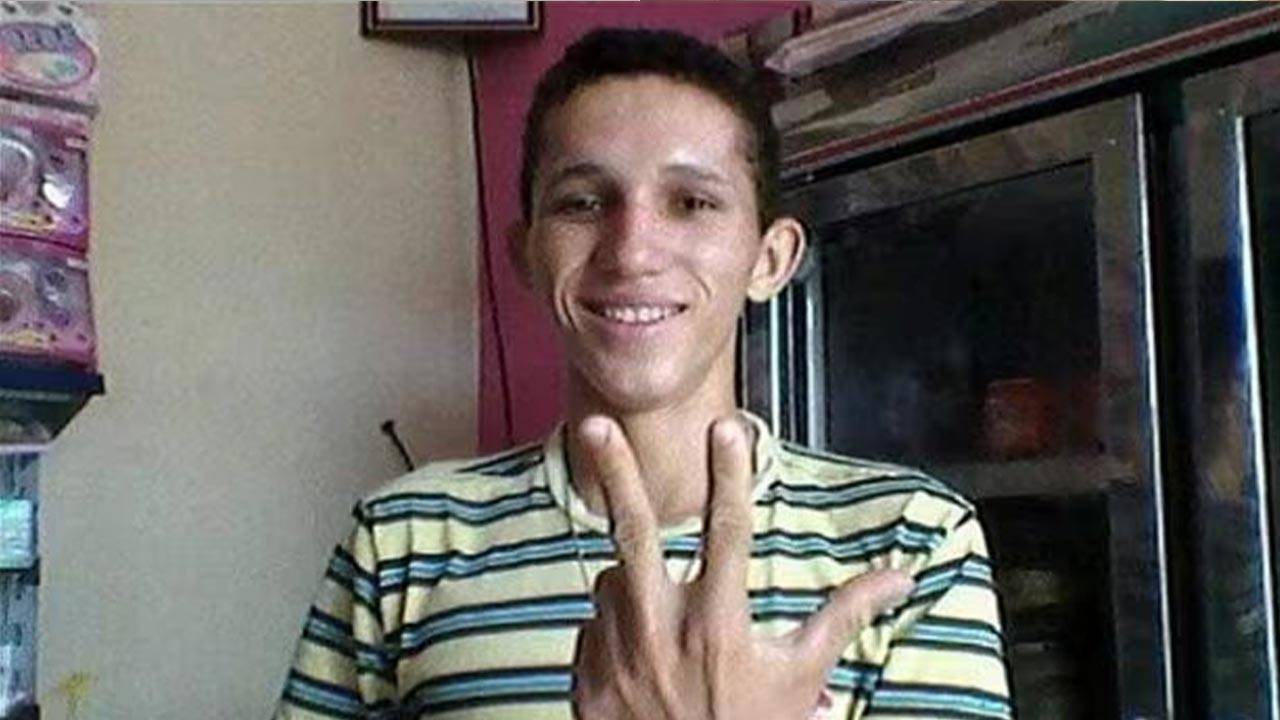
It’s one of those stories that feels like an urban legend. You hear it and think, "No way that actually happened." But it did. In June 2013, a remote town in northern Brazil became the site of a level of violence that sounds more like a scene from a medieval history book than a modern soccer match. At the center of it was a 20-year-old named Otávio Jordão da Silva.
Most people know him only as the "beheaded referee." It's a grisly title. Honestly, the details are so stomach-turning that it's easy to lose sight of the people involved. This wasn't a professional game with cameras and stadium security. It was a local, amateur match in Pio XII, Maranhão. Just a dirt field, some local guys, and a lot of heat.
The events of that day didn't just shock Brazil; they sent a ripple of horror across the globe, especially with the 2014 World Cup just around the corner.
The Match That Went Off the Rails
Let’s set the scene. It's June 30, 2013. Otávio Jordão da Silva is officiating a casual game. In these types of matches, the "referee" is often just a local volunteer. Otávio was young, only 20. Reports later suggested he was only refereeing because he had a foot injury and couldn't play.
Things got heated when Otávio gave a red card to 31-year-old player Josenir dos Santos Abreu.
Standard soccer stuff, right? Wrong.
Josenir didn't want to leave. He refused. A fistfight broke out between the player and the referee. Then, things took a sharp, fatal turn. Otávio pulled a knife from his pocket. He stabbed Josenir. The player was rushed to the hospital, but he died before he ever got there.
When the news of Josenir's death reached the fans—many of whom were his friends and family—the situation turned into a full-blown lynch mob.
A Level of Violence Beyond Words
What happened next to Otávio Jordão da Silva is difficult to even write about. The crowd didn't just attack him; they executed him with a level of ritualistic brutality that is hard to wrap your head around.
They stoned him.
They tied him up.
They tortured him.
And then, the part that made world headlines: they decapitated him and quartered his body. To make a horrific point, the mob allegedly placed his head on a stake in the middle of the pitch.
Basically, the field where children played and families gathered became a slaughterhouse in a matter of minutes.
Why Did This Happen?
You've got to wonder how a soccer game ends in two deaths and a dismemberment. It wasn't just about the red card.
The region of Maranhão is one of the poorest in Brazil. At the time, there was a massive amount of social tension. While the government was spending billions on glitzy World Cup stadiums, many rural towns lacked basic security and infrastructure. In places like Pio XII, justice was often seen as something you had to take into your own hands.
Valter Costa, the police chief at the time, put it bluntly: "One crime will never justify another."
Police used cell phone footage to track down the suspects. Luis Moraes de Souza was the first arrested. He admitted to hitting the referee but denied the murder. Eventually, other names surfaced—Raimundo da Costa Marçal, Josimar Vieira de Souza, and even Josenir's brother, Francisco Edson Moraes de Souza.
What People Often Get Wrong
There are a few misconceptions that float around the internet about this case.
First, people think this was a professional match. It wasn't. This was essentially a "pick-up" game in a neighborhood setting. There were no official league rules, no security guards, and certainly no VAR.
Second, there’s a tendency to blame "soccer culture." While Brazil is soccer-obsessed, this wasn't about the sport. It was a breakdown of law and order in a community where vigilante justice was a terrifying reality.
Lastly, there are rumors of cult involvement. There is zero evidence for that. It was raw, unbridled rage fueled by the loss of a loved one.
Key Facts at a Glance
- Location: Pio XII, Maranhão, Brazil.
- Date: June 30, 2013.
- Casualties: Josenir dos Santos Abreu (stabbed) and Otávio Jordão da Silva (lynched).
- Legal Outcome: Multiple arrests followed, though the case remains a dark stain on the region's history.
The Long-Term Impact
The death of Otávio Jordão da Silva forced a lot of people to look at the "other" Brazil. Not the one with the Christ the Redeemer statue and the beaches of Rio, but the rural interior where the state's reach is thin.
It also highlighted the extreme danger referees face at the amateur level worldwide. From Utah to Kenya, referees are often targets of physical violence. While beheadings are fortunately rare, the culture of "blaming the ref" can escalate into something much darker when there's no oversight.
Honestly, it’s a cautionary tale about how quickly human emotion can bypass logic and decency. Two families were destroyed over a game that, in the grand scheme of things, meant absolutely nothing.
Actionable Insights for Amateur Sports Organizers
If you're involved in local sports or community games, there are real lessons to be learned from tragedies like this.
- De-escalation is Everything: Never let an argument on the field simmer. If a player or official loses their cool, the game needs to stop immediately.
- No Weapons Policy: It sounds obvious, but Otávio having a knife in his pocket changed the trajectory of his life—and Josenir's—in seconds.
- Third-Party Presence: Even in informal games, having a neutral "marshal" or a few designated people to handle crowd control can prevent a dispute from turning into a riot.
- Know the Signs: When "passion for the game" turns into personal threats, it's time to walk away. No trophy or neighborhood bragging rights is worth a life.