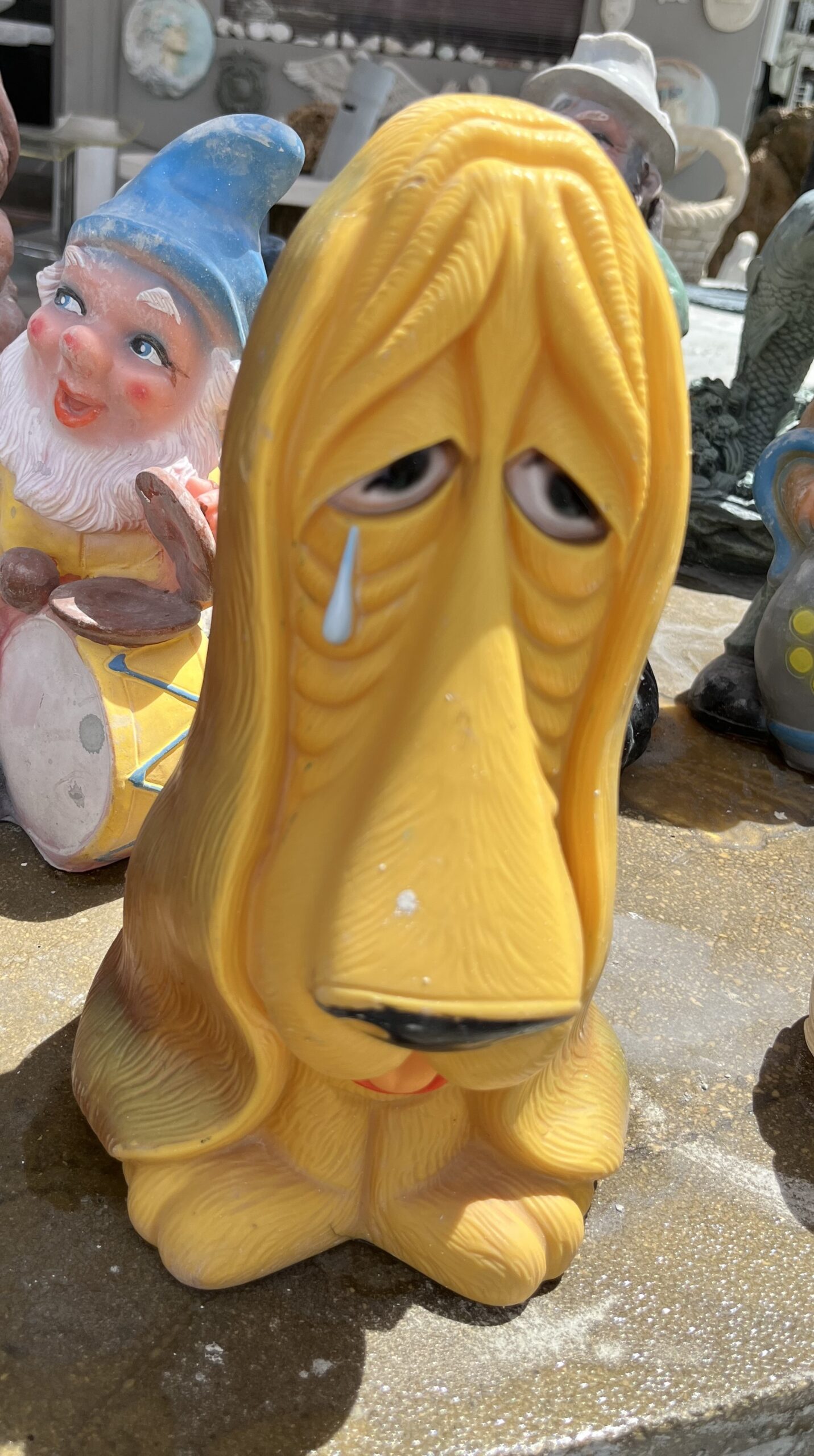
It’s a Tuesday night. You’re halfway through a bowl of cereal, staring blankly at the TV, when the screen fades to a grainy, slow-motion shot of a shivering Pitbull mix. Then the piano starts. Those first few notes of "Angel" hit, and suddenly, you’re scrambling for the remote because you simply cannot handle the emotional weight of a two-minute fundraising plea. We've all been there. That sad dog song commercial—specifically the ASPCA’s 2007 campaign featuring Sarah McLachlan—isn't just a piece of advertising history. It’s a cultural touchstone that redefined how non-profits grab our attention, for better or worse.
Honestly, it’s been nearly two decades, and the mere mention of the song still triggers a Pavlovian response of guilt and sadness in millions of people. It’s fascinating. How does a single song paired with some b-roll of rescue animals create such a lasting, visceral reaction?
The Making of an Emotional Juggernaut
The ASPCA didn't set out to create a meme. They wanted to save lives. In the mid-2000s, the American Society for the Prevention of Cruelty to Animals was looking for a way to break through the noise of traditional "save the children" or environmental ads. They landed on Sarah McLachlan’s 1997 hit "Angel."
The song wasn't even about animals. McLachlan wrote it about the overdose death of Jonathan Melvoin, the touring keyboardist for the Smashing Pumpkins. It’s a song about seeking solace from the crushing weight of reality. But when you overlay those lyrics—"In the arms of the angel, fly away from here"—onto the face of a dog with a bandaged paw, the meaning shifts entirely. It becomes a plea for rescue.
The commercial was incredibly long for its time, often running for a full two minutes. Most ads are 30 seconds. That extra time allowed the sadness to breathe. It forced you to sit with the discomfort. It worked, too. Reports indicate that the campaign raised upwards of $30 million in its first couple of years. That’s a staggering amount of money for a single ad spot.
Why "Angel" Still Haunts Your Living Room
Psychologically, the sad dog song commercial uses a technique called "identifiable victim effect." We are much more likely to donate when we see one specific, suffering individual than when we hear statistics about millions of animals in need. The camera lingers on "Prince" or "Daisy." You see the ribs. You see the cataracts.
Then there's the music. Music bypasses the logical centers of the brain and goes straight for the amygdala. The minor key, the breathy vocals, the slow tempo—it’s a recipe for tears. Sarah McLachlan herself has joked in interviews about how she can't even watch the commercials. She flips the channel just like the rest of us. It’s a testament to the power of the edit.
But it wasn't just the ASPCA. Once that ad went viral (in the pre-social media sense), everyone tried to copy the formula. We started seeing the "sad dog" trope everywhere. Budweiser tried it with their Super Bowl ads, though they usually opted for a bittersweet "puppy and Clydesdale" friendship vibe rather than the "misery" angle. Still, the DNA is the same. They want you to feel something so intensely that you remember the brand.
The Backlash Against "Sadvertising"
Not everyone was a fan. Over time, the sad dog song commercial became the poster child for "poverty porn" or "compassion fatigue." People started getting angry. They felt manipulated. If you make someone feel too bad, they don't donate—they shut down. They change the channel. They mute the TV.
Researchers have actually studied this. A study from the University of Georgia looked at how "guilt-based" advertising can backfire. If the viewer feels the advertiser is being too aggressive with the emotional heartstrings, they develop a "defense mechanism." They stop trusting the message.
The ASPCA eventually realized this. While they still use emotional imagery, they’ve diversified. You’ll notice their more recent ads often feature "success stories"—dogs running in parks, wagging tails, and happy endings. It’s a "look what your money did" approach rather than a "look how much pain exists" approach. It’s a necessary pivot. You can only make people cry for so long before they stop looking at you.
Other Contenders in the Sad Commercial Hall of Fame
While McLachlan is the queen of the genre, she isn't the only one who made us sob into our pillows.
- Google’s "Parisian Love": Not about dogs, but used the same minimalist, musical storytelling to track a man’s life through his search queries.
- The "Hachiko" Inspired Ads: Various Japanese brands have used the story of the loyal Akita to sell everything from life insurance to cell phones.
- The Walmart "Clown" Commercial: Remember the one with the little girl and the stuffed animal? It used a soft acoustic cover that signaled "prepare to weep."
The common thread is the "acoustic cover." If you want to make a sad dog song commercial today, you find a popular 80s pop song and have a woman with a shaky voice sing it slowly over a piano. It’s a trope. It’s a cliché. And yet, it still works.
The Business of Tears
From a business perspective, the "Angel" ad was a masterclass in ROI. It wasn't just the $30 million in direct donations. It was the brand recognition. The ASPCA became a household name. Every time someone made a joke about a sad dog on the internet, they were inadvertently marketing for the organization.
The production costs were relatively low. It was mostly still photos and slow pans. The heavy lifting was done by the song. This is why licensing the right track is often more expensive than the actual filming of the commercial. The ASPCA got lucky—McLachlan was a genuine supporter of the cause and became a spokesperson, which added a layer of E-E-A-T (Experience, Expertise, Authoritativeness, and Trustworthiness) that a random voiceover artist couldn't provide.
Beyond the Meme: What Really Happened to Those Dogs?
One of the biggest criticisms of the sad dog song commercial is the "where are they now" factor. People often wonder if the dogs in the ads were actually rescued. The answer is generally yes. Most of the footage was taken at actual shelters.
However, there’s a nuance here. The ASPCA is a national organization, but they aren't an "umbrella" for your local SPCA. This is a common misconception. When you see that ad and donate, the money goes to the national headquarters in New York, not necessarily to the shelter down the street from your house. This has caused some friction in the animal rescue world. Local shelters often feel that these massive national "sad" campaigns suck the air out of the room, making it harder for local rescues to raise funds.
It’s a complicated ecosystem. The national ads raise awareness for the idea of animal cruelty, but your local shelter is the one doing the boots-on-the-ground work. If you’re moved by a sad dog song commercial, experts generally recommend looking into your local municipal shelter first.
Why We Can't Look Away
At the end of the day, we watch these things because we’re human. We have empathy. We see a creature that can't speak for itself in a state of distress, and we want to help. The advertisers know this. They aren't evil for using "Angel"; they’re just using the tools of human psychology to solve a problem.
The problem is that the problem—animal neglect—is massive. It’s overwhelming. So we lean on the music. We let the song guide our emotions because the reality of the situation is too much to process without a soundtrack.
Actionable Next Steps for the Empathetic Viewer
If you find yourself triggered or moved by the next sad dog song commercial you see, don't just sit there feeling guilty. Take a breath. Here’s how to actually make a difference without falling into the "guilt-trap" cycle:
- Research the "Local" vs. "National" Split: Before you text a donation code, check if your local shelter is an affiliate or an independent 501(c)(3). Often, giving $20 to your local pound has a more immediate impact on the dogs in your own neighborhood.
- Check Charity Navigator: Don't just give because the song is sad. Look up the organization’s rating. See what percentage of your dollar actually goes to animal care versus "administrative costs" and "fundraising" (like making more sad commercials).
- Volunteer Your Time: If you don't have money, your presence is valuable. Shelters always need people to walk dogs, clean cages, or just sit with animals to socialize them. It's a great way to turn that "commercial sadness" into "real-world action."
- Foster if You Can: The best way to get a dog out of a "sad commercial" situation is to get them into a home. Fostering saves lives and frees up space in overcrowded shelters.
The era of the sad dog song commercial might be evolving, but the core message remains. We care about animals. We just maybe don't want to cry every time we turn on the TV. By understanding the mechanics behind these ads, you can move past the manipulation and actually contribute to the cause in a meaningful way. Next time "Angel" starts playing, maybe you don't have to reach for the remote. Maybe you just reach for your phone and look up your local rescue instead.