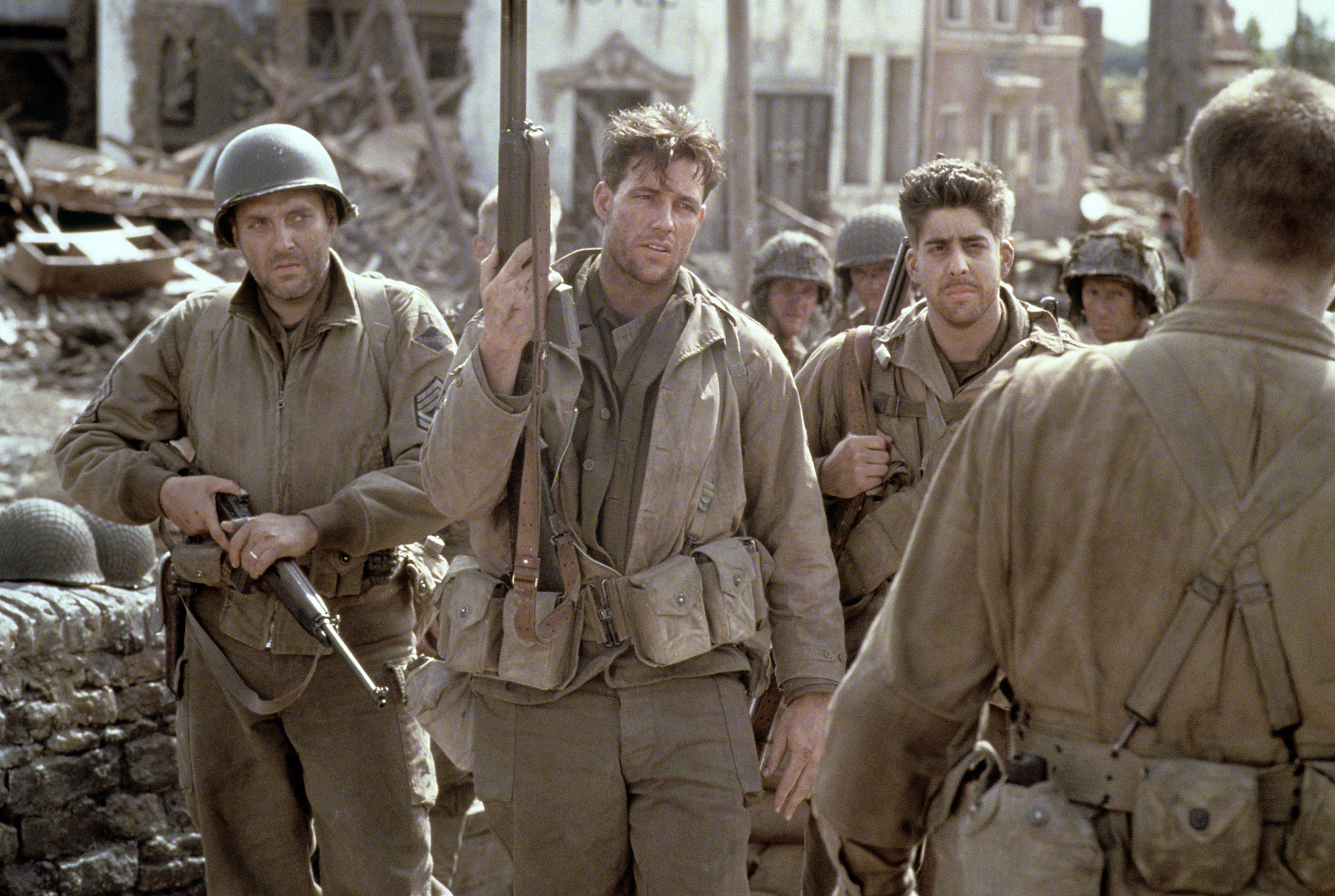
You probably know Tom Sizemore as the gritty, gravel-voiced sergeant from Saving Private Ryan or the intense heist-planner in Heat. He had this specific energy—a sort of dangerous but reliable presence that made him a favorite for directors like Steven Spielberg and Michael Mann. But most people completely forget about the one time he tried to lead his own massive network procedural.
In 2002, CBS launched Robbery Homicide Division, a show meant to bring the cinematic intensity of big-budget crime films to the small screen.
It was supposed to be the definitive Tom Sizemore TV show. Instead, it became one of television's most fascinating "what if" stories.
The Michael Mann Connection
The series wasn't just another cop show. It was executive produced by Michael Mann, the visionary behind Miami Vice and Manhunter. If you watch the pilot today, the DNA is unmistakable. It’s got that high-definition, blue-tinted, digital look that Mann later perfected in films like Collateral.
Sizemore played Lieutenant Sam Cole. Cole wasn't a standard TV cop; he was a hard-driving, obsessive hunter of criminals in Los Angeles. He led an elite, multi-ethnic squad that looked and felt like a real-life version of the crew from Heat.
The cast was actually incredible:
- Barry Shabaka Henley as Sgt. Alfred Simms
- Klea Scott as Det. Sonia Robbins
- David Cubitt as Det. Richard Barstow
- Michael Paul Chan as Det. Ron Lu
Critics actually liked it. The Washington Post raved about Sizemore’s performance, saying he "veritably storms the screen." It was intense. It was expensive. It was also, unfortunately, doomed.
Why It Didn't Last
Television in 2002 was a weird place. CSI was the king of the world, and audiences were used to tidy, brightly lit crime scenes where science solved everything in forty minutes. Robbery Homicide Division was the opposite. It was dark, shaky, and often focused on the messy psychological toll of the job.
Basically, it was too early for its own good.
It also faced a brutal time slot. CBS put it on Friday nights against Law & Order: Special Victims Unit. Ratings were anemic, averaging about 7.1 million viewers—numbers that would be a massive hit today but were a death sentence in the early 2000s.
Then there was the off-screen drama. Sizemore’s personal struggles with addiction were becoming public knowledge during production. There were rumors that his arrest during the show's run was the final nail in the coffin. CBS pulled the plug after only ten episodes aired, leaving three in the vault.
Beyond the Badge: The Reality TV Era
After the cancellation of his scripted lead role, the concept of a Tom Sizemore TV show took a sharp, uncomfortable turn.
In 2007, VH1 premiered Shooting Sizemore.
This wasn't a drama. It was a raw, often painful reality series that followed the actor as he tried to sober up and reclaim his career. It’s hard to watch now. It captured a man at his lowest point, oscillating between hope and self-destruction.
He later appeared in Celebrity Rehab with Dr. Drew and Sober House. While these shows were huge ratings wins for VH1, they reframed Sizemore's public image from "intense character actor" to "troubled reality star."
The Late Career Resurgence
Fortunately, the 2010s saw him return to what he did best: acting in high-profile projects. He didn't always get the lead, but his guest arcs were usually the best parts of the shows he was in.
If you’re looking for the best "small screen" Sizemore, check out these spots:
- Twin Peaks: The Return (2017): He played Anthony Sinclair, a corrupt insurance agent. It was classic David Lynch, and Sizemore fit into that surreal world perfectly.
- Hawaii Five-0: He had a recurring arc as Captain Vince Fryer, the head of Internal Affairs. He brought that old-school gravitas back to the screen.
- Shooter: He played CIA operative Hugh Meachum across several episodes, proving he could still play the high-stakes antagonist better than almost anyone else.
- Law & Order: SVU: In a weird full-circle moment, he guest-starred as a creepy villain named Lewis Hodda, years after his own show was cancelled by the SVU juggernaut.
Actionable Insights for Fans
If you want to actually watch the "lost" Tom Sizemore masterpiece, Robbery Homicide Division is tricky to find. It never got a proper DVD release in the States because of music licensing and production issues.
- Check YouTube: Fans occasionally upload the episodes in their original 4:3 or early HD formats.
- Look for "Witness Protection" (1999): Before his series, he starred in this HBO movie. He was nominated for a Golden Globe for it. It's arguably his best television work.
- Support Indie Film: In his final years, Sizemore worked on dozens of independent projects. While the quality varies, his commitment to the craft never really wavered.
To truly understand his impact on TV, you have to look past the headlines. He was a guy who brought "movie star energy" to a medium that wasn't quite ready for it yet.
Next Steps for Your Watchlist:
Look for the 1999 TV movie Witness Protection on streaming platforms like Max or through digital retailers. It captures Sizemore at the absolute peak of his powers, playing a mobster-turned-informant with a level of nuance you rarely see in broadcast television. If you can find a bootleg of Robbery Homicide Division, watch the pilot—it's a masterclass in how to film Los Angeles at night.