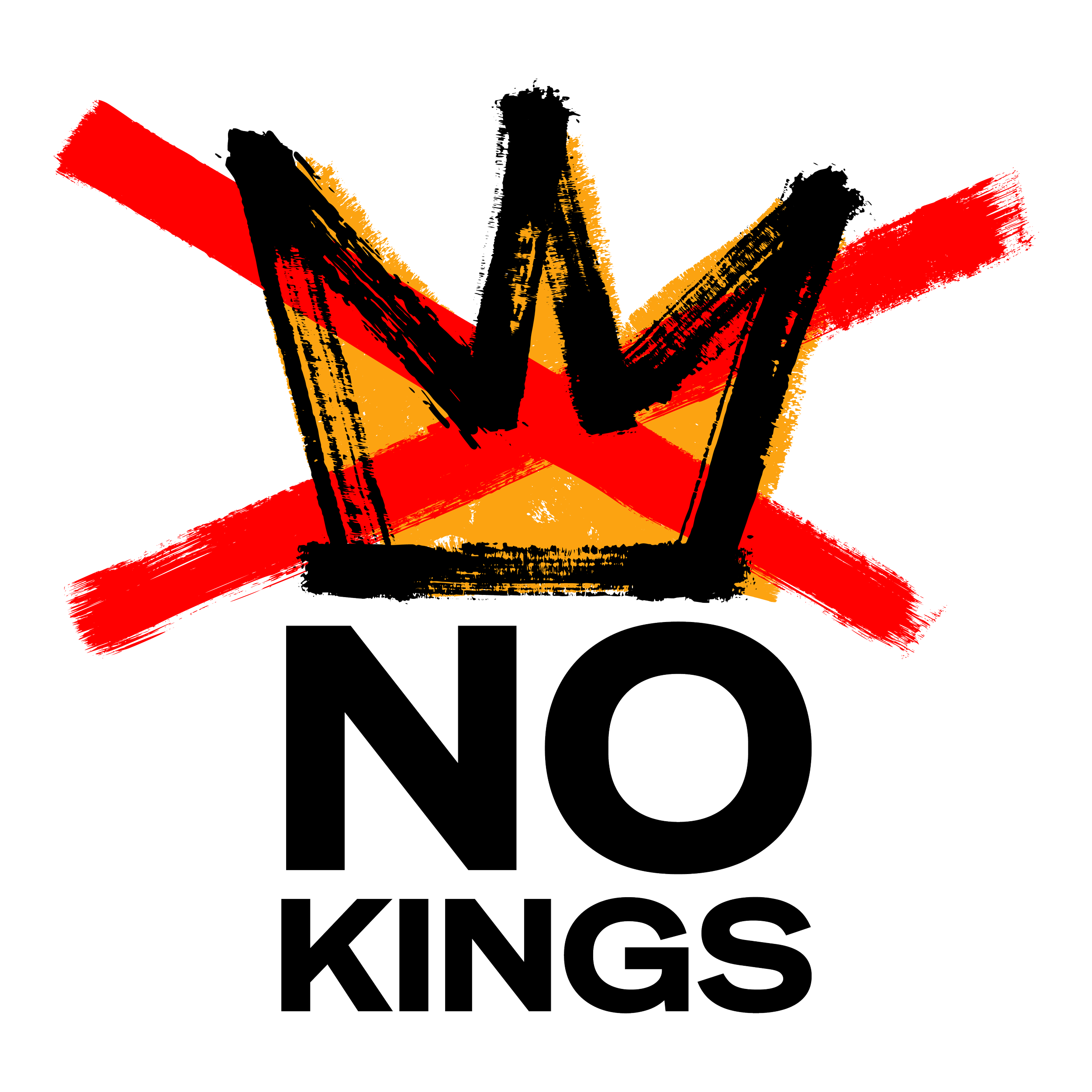
You’ve probably seen the hashtag #NoKingsDay floating around or heard someone mention it at a coffee shop, and honestly, it’s easy to get confused. People keep asking, "Wait, is this a real holiday?" The short answer is no, it's not a government-sanctioned day off like Labor Day or Thanksgiving. But for millions of people who took to the streets this year, it became more significant than most official holidays.
No Kings Day 2025 actually happened twice as a major national event.
The first massive wave of protests occurred on June 14, 2025. If that date sounds familiar, it’s because it was also Donald Trump’s 79th birthday and the U.S. Army’s 250th Anniversary. While the administration was busy planning a massive military parade in Washington, D.C., a coalition of groups—led by the 50501 Movement and Indivisible—decided to counter-program the event. They called it "No Kings Day."
Then, because the momentum didn't just fizzle out over the summer, we saw "No Kings 2.0" on October 18, 2025.
When is No Kings Day 2025? (The Specific Dates)
If you are looking for the exact calendar dates to understand the timeline of the movement, here they are:
- Primary Event: Saturday, June 14, 2025.
- Secondary Mobilization: Saturday, October 18, 2025.
- Minor Precursor: February 17, 2025 (Presidents' Day).
The June date was the heavy hitter. According to data journalist G. Elliott Morris, between 4 and 6 million people participated across the United States. That's about 1.8% of the entire U.S. population. Think about that for a second. It was one of the largest single-day protests in American history.
Why the name No Kings?
The name wasn't just pulled out of thin air for the vibes. It was a direct response to the political climate. The "50501 Movement"—which stands for 50 states, 50 protests, one movement—coined the term. Basically, they were pushing back against what they described as "monarchical" behavior from the executive branch.
They wanted to draw a sharp line between a president and a king.
Organizers like Leah Greenberg from Indivisible mentioned that the June 14 date was chosen specifically to contrast with the "coronation" feel of the Army's anniversary parade. While the tanks were rolling in D.C., protesters in 2,100 other cities were waving American flags and holding signs that read "No Thrones, No Crowns, No Kings."
It’s kinda fascinating because the organizers actually avoided D.C. for the June event. They didn't want a direct confrontation with the military parade. Instead, they wanted to show that the movement was everywhere else—from tiny towns in Alabama to the massive streets of Los Angeles.
What happened during the October 18 protest?
By the time October rolled around, the focus had shifted slightly. The October 18, 2025, events were even more widespread in terms of locations—hitting about 2,700 spots. This time, there was a massive rally on the National Mall.
Brookings Institution researchers tracked the demographics of these events. Most participants were female, highly educated, and identified as left-leaning. However, the mood was different from the summer. The "No Kings 2.0" rally happened after a pretty violent summer in American politics, including the tragic murders of lawmaker Melissa Hortman and activist Charlie Kirk.
Because of that tension, the 50501 Movement leaned heavily into de-escalation tactics. They explicitly told people: no weapons, wear yellow, and keep it peaceful. It worked, for the most part. Despite the massive crowds, the events remained largely nonviolent.
Where did people gather?
You might be surprised by the scale. It wasn't just New York and Cali.
- Arizona: Phoenix saw 20,000 people at Wesley Bolin Memorial Plaza in June. By October, that number was even higher.
- Alaska: Anchorage and Fairbanks both saw thousands of people show up in the middle of their summer.
- Alabama: Even in deeply red areas, rallies popped up in Mobile, Birmingham, and Montgomery.
The international "No Tyrants" connection
Interestingly, this wasn't just a U.S. thing. People in London, Berlin, and Paris held "No Tyrants" or "No Dictators" solidarity events. It turned into a sort of global signal for democratic health.
In Barcelona and Madrid, protesters actually followed the U.S. lead by wearing yellow attire to show support. It’s rare to see a domestic American protest movement export its branding so quickly, but the "No Kings" imagery really struck a chord with people worried about democratic backsliding worldwide.
Actionable insights for the future
So, what does this mean for 2026 and beyond?
First, keep an eye on the organizers. The 50501 Movement and Indivisible have proven they can mobilize millions with very little lead time using TikTok and Reddit. If you’re looking to get involved or just want to stay informed, following their local chapters is your best bet.
Second, the dates themselves might become recurring "anniversary" protest days. While June 14 is Flag Day and the Army's birthday, it has now been effectively "claimed" by the No Kings movement as a day of civil defiance.
If you're planning to attend any future events, here is the "standard" protocol developed during the 2025 cycle:
- Check the map: Use official coalition websites to find the sanctioned nonviolent rally near you.
- Dress code: Yellow has become the unofficial color of the movement to signify visibility and peace.
- Safety first: Always go with a buddy and have a check-in plan, especially as political tensions remain high in the current climate.
The "No Kings" phenomenon wasn't just a one-off. It was a massive logistical feat that redefined how modern protests look in the mid-2020s. Whether you agree with the politics or not, the sheer scale of 2025's mobilizations is something that political scientists will be studying for decades.
Stay updated on local organizing efforts through community boards or verified social media channels, as these movements often transition into voter registration drives and local civic actions following the major national rally dates.