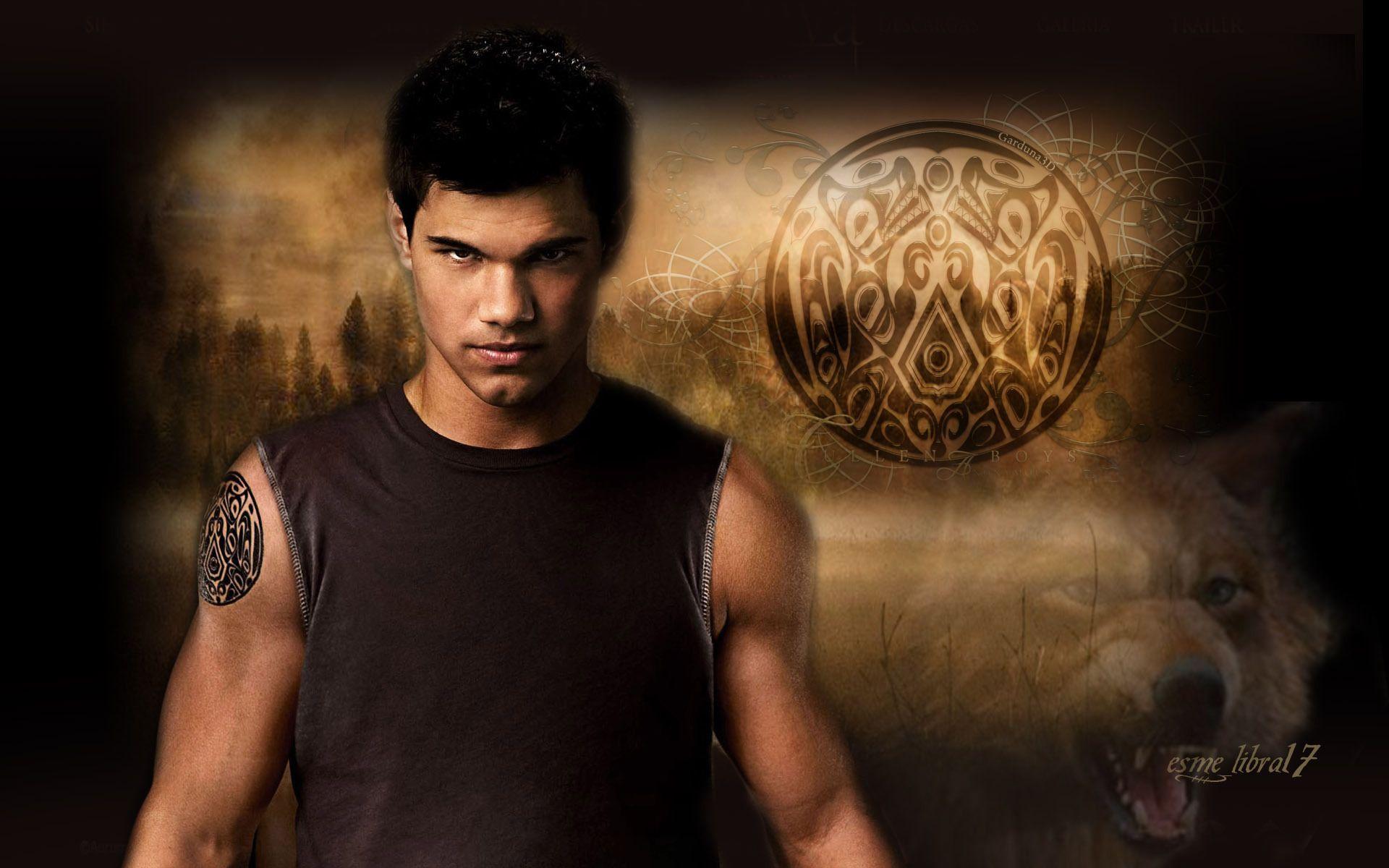
Jacob Black from Twilight is a polarizing guy. Whether you grew up during the height of the "Team Jacob" versus "Team Edward" era or you're just catching the movies on a streaming marathon today, his character represents something specific in pop culture. He isn't just a werewolf. Honestly, he’s the emotional anchor of a series that otherwise spends a lot of time floating in the clouds of vampire melodrama.
He's messy.
He’s angry, intensely loyal, and arguably the most tragic figure in Stephenie Meyer’s universe. When we first meet him in Twilight, he’s just a kid with long hair and a crush. By Breaking Dawn, he’s a giant russet-colored wolf who has basically been psychologically tethered to his best friend’s daughter. It’s a lot to process. To understand why people still argue about him in 2026, you have to look past the shirtless scenes and get into the actual Quileute lore Meyer used—and often twisted—to build his world.
The Transformation of Jacob Black from Twilight
Most people forget that Jacob was barely in the first book. He was a plot device. Bella needed to know the "scary stories" about the Cold Ones, and Jacob was the convenient local who could spill the tea. But the chemistry changed everything. Meyer has openly admitted that Jacob was supposed to be a minor character, but he "vibrated" with so much life that he forced his way into a starring role.
Then came New Moon.
This is where the Jacob Black from Twilight we know really emerges. The long hair gets chopped. The growth spurt happens—going from a lanky teen to a 6'7" powerhouse. But the physical change is secondary to the hormonal and supernatural burden of being a shapeshifter. Unlike the vampires, who have an eternity to get used to their status, Jacob’s transition is violent and involuntary. It’s triggered by the presence of vampires. Basically, if Edward hadn’t come to town, Jacob probably would have just lived a normal life fixing up Volkswagens in La Push.
There is a deep-seated resentment in Jacob that stems from this lack of choice. He didn't ask to be a protector. He didn't ask for the "alpha" bloodline that he spends most of the series trying to reject.
What the Movies Got Wrong About the Pack
The films make the pack look like a brotherhood of gym-goers. In the books, it’s much more claustrophobic. Being a wolf means having no privacy. Every thought Jacob has is shared with the rest of the pack in real-time. Imagine being a teenager in love with your best friend and having four other guys "hearing" your every daydream. It’s a psychological nightmare.
This shared consciousness is why the pack is so volatile. When Sam Uley—the initial Alpha—has a thought, it carries the weight of a command. Jacob’s struggle for autonomy against Sam is one of the more grounded metaphors in the series. It’s about the struggle to find an individual identity when your community (or your genetics) is screaming at you to fall in line.
The Imprinting Problem
We have to talk about it. The imprinting.
It’s the most controversial part of Jacob’s entire arc. For the uninitiated, imprinting is described as a "gravity shift." You aren't just in love; you are whatever that person needs you to be, whether that’s a protector, a brother, or a lover. When Jacob imprints on Renesmee—Bella and Edward’s newborn hybrid child—it felt like a massive "get out of jail free" card for the love triangle.
Fans were weirded out. Rightfully so.
Even though Meyer explains it as a platonic bond in the beginning, it’s a tough pill to swallow. From a narrative perspective, it was a way to keep Jacob in the family without him being a constant threat to Bella’s marriage. But it also stripped Jacob of his agency. Everything he did from that moment on was dictated by a supernatural tether to a baby.
- The Science (of the Fiction): Imprinting is supposedly about passing on the strongest genes, according to pack theory.
- The Reality: It serves as a convenient way to end the conflict between the Cullens and the Quileutes.
- The Backlash: Critics argue it minimizes Jacob’s growth by making his happiness dependent on a biological "click" rather than a choice.
Cultural Context and the Quileute Tribe
One thing that doesn't get enough attention is the real-world impact of the Jacob Black character. The Quileute Tribe is a real sovereign nation in La Push, Washington. While the books and movies made the tribe a household name, they didn't exactly benefit from the "Twilight effect" in the way you might think.
The "wolf legend" in the books? That’s mostly fiction. The real Quileute origin story involves being transformed from wolves by a transformer (the Changer), but the way the "Cold Ones" and the "genetic shapeshifting" are portrayed is a creative liberty taken by Meyer. For years, the tribe has dealt with tourists trespassing on sacred land looking for Jacob's house.
If you're a fan of the character, it’s worth looking into the "Higher Ground" project. The real Quileute village is at risk from tsunamis and rising sea levels. While Jacob is a fictional hero, the people he represents are fighting a very real battle to move their community to safer, higher ground.
Why Jacob is Actually the Villain (To Some)
Not everyone sees Jacob as the "nice guy" alternative to Edward. By Eclipse, he becomes quite manipulative. He forces a kiss on Bella. He threatens to go get himself killed in battle just to make her admit she has feelings for him. It’s toxic.
He’s a teenager with the power of a demigod and the emotional maturity of a... well, a teenager.
But that’s why he’s interesting. Edward is over 100 years old; he should be composed. Jacob is seventeen. He’s supposed to be a mess. He’s a raw nerve. When he sees the girl he loves choosing a "blood-sucking corpse" over a living, breathing human who can offer her a sunlit life, he loses it. His behavior isn't "good," but it is arguably more human than anyone else's in the story.
The Physicality of the Role
Taylor Lautner’s portrayal of Jacob is legendary for one specific reason: the physical transformation. Most people don't realize he was almost recast for New Moon. The studio wanted someone bigger, someone more "manly."
Lautner spent months in the gym, putting on about 30 pounds of muscle to keep the job. That dedication changed the trajectory of the franchise. It turned the series from a "girl meets vampire" story into a genuine pop culture phenomenon where the "Team Jacob" merch rivaled the "Team Edward" stuff.
The heat. That’s a major Jacob trait. His body temperature stays at 108.9 degrees Fahrenheit. In the books, this is a constant contrast to the "ice-cold" Cullens. Bella literally uses him as a space heater. It’s a metaphor for the warmth and life he represents, which makes her eventual choice to become "cold" even more of a tragedy for him.
Jacob’s Legacy in Young Adult Fiction
Jacob Black from Twilight set the template for the "Second Lead Syndrome" that dominated YA novels for the next decade. He’s the guy who is objectively "better" for the protagonist on paper—shared culture, shared language, a future that involves staying alive—but who never stands a chance against the "destined" love of the lead.
He’s the original "he’s a 10 but he’s a werewolf" meme.
But his story is also about the end of an era. The wolves only exist because the vampires are there. Once the Cullens leave or the threat is gone, the wolves eventually stop shifting. They grow old. They die. Jacob is essentially the last of a dying breed, a guardian whose very existence is a reaction to a monster.
Understanding Jacob’s Journey: A Quick Recap
To truly grasp the character, you have to look at his arc through these specific lenses:
- Loss of Innocence: He goes from a happy kid to a soldier in a war he didn't start.
- The Alpha Conflict: His refusal to lead despite his birthright makes him a rebel within his own culture.
- The Biological Trap: Imprinting is either a soulmate connection or a loss of free will, depending on how you read it.
- The Human Element: He represents the life Bella gave up—aging, children, and the sun.
Actionable Ways to Engage with the Lore
If you're looking to dive deeper into the world of Jacob Black and the Quileute pack, don't just re-watch the movies. The movies cut a lot of the nuance.
- Read "The Short Second Life of Bree Tanner": It gives a different perspective on the wolf/vampire conflict from an outsider's point of view.
- Check out the Quileute Move to Higher Ground: Support the real tribe that inspired the setting of the books. It's a great way to give back to the culture that provided the backdrop for the series.
- Analyze the "Midnight Sun" Perspective: Seeing Jacob through Edward's eyes (where Edward can hear Jacob's thoughts) adds a whole new layer of tension and mutual respect/hatred that the movies missed.
- Visit the Olympic Peninsula: If you go to La Push, stick to the public beaches like First Beach. Respect the "No Trespassing" signs on tribal land. The atmosphere there is exactly as moody and beautiful as the books describe, even without the supernatural drama.
Jacob isn't a perfect hero. He’s a guy who got dealt a weird hand by fate and tried to fight his way out of it. Whether you love him or think he's a "dog," his impact on the genre is undeniable. He’s the heat in the cold, the wolf in the woods, and the reason many of us are still talking about a small town in Washington twenty years later.