You're staring at a standard plastic water bottle. It says 16.9 fluid ounces on the label. You need to know how many cups that is because a recipe calls for a specific amount, or maybe you’re just trying to track your hydration without losing your mind.
The short answer? It’s about 2 cups.
But "about" doesn't help when you’re baking a cake or mixing baby formula. If we’re being precise—the kind of precise that matters—16.9 ounces is actually 2.1125 cups.
Why such a weird number? It’s basically the result of the United States sticking to the imperial system while the rest of the world (and most beverage manufacturers) uses the metric system. That 16.9-ounce bottle exists because it equals exactly 500 milliliters. It’s a round number in Europe or Canada, but a total headache for Americans trying to measure things in a standard measuring cup.
The basic breakdown of how many cups are in 16.9 ounces
Standard US measuring cups are 8 ounces. If you do the math—$16.9 \div 8$—you get that 2.1125 figure.
In a kitchen setting, you’re looking at two full cups plus about two tablespoons of liquid. It’s a negligible difference if you’re just drinking water to stay hydrated. However, if you're using that bottle to measure water for a box of pasta or a soup, you can usually just pour the whole thing in and call it a day.
Most people don't realize that the "cup" itself isn't even a universal constant.
We have the US Customary Cup (the 8-ounce one you likely have in your drawer), but there is also the "Legal Cup" used for nutrition labeling in the US, which is actually 240 milliliters. If you use the legal cup definition, 16.9 ounces (500ml) comes out to roughly 2.08 cups. It’s a rabbit hole of measurements that makes you wonder why we don't just use scales for everything.
Why 16.9 ounces is the magic number for bottled water
Walk into any gas station from Maine to California. You’ll see rows of Nestle, Dasani, and Aquafina. They are almost all 16.9 ounces.
This isn't a random choice. Since 500ml is half a liter, it’s the global standard for a single-serving beverage. Manufacturers love it because they can use the same bottling equipment and the same plastic molds for the entire world. They just swap the label to show ounces for the American market.
Honestly, it’s a bit of a trick on our brains. We see "16.9" and we think it’s close enough to 16 ounces, which would be exactly two cups (a pint). But that extra 0.9 ounces is roughly 26 milliliters. It’s just enough to overflow a standard pint glass if you aren't careful with the head on a soda or beer.
Conversions you actually need to know
If you're trying to calculate how many cups are in 16.9 ounces for a specific purpose, here is how the volume translates into other common kitchen measurements:
- Tablespoons: There are about 33.8 tablespoons in that bottle.
- Pints: It’s just slightly over a pint (16 oz).
- Milliliters: It is exactly 500 ml. This is the most accurate way to measure it.
- Quarts: It is roughly half a quart.
If you are a runner or an athlete, you've probably heard the "8x8" rule—drink eight 8-ounce glasses of water a day. If you’re using 16.9-ounce bottles to hit that goal, you need to drink about 3.8 bottles. Round it up to four bottles a day, and you’re actually hitting about 67 ounces, which puts you right in the sweet spot for basic hydration needs according to most health experts, including those at the Mayo Clinic.
The nuance of fluid ounces vs. dry ounces
This is where people usually mess up their recipes. We are talking about fluid ounces, which measure volume. If you were to take 16.9 ounces of flour, it wouldn't be 2 cups. It would be way more because flour is light and airy.
Always check your label. If it’s a liquid, the "oz" almost always refers to fluid ounces. If it’s a bag of chocolate chips, it’s weight.
You’ve probably been in a situation where you’re trying to follow a British recipe and it calls for "cups," but the measurements feel off. That’s because an Imperial cup in the UK is actually 10 fluid ounces. If you were using a British Imperial cup, 16.9 ounces would only be about 1.7 cups. It’s enough of a difference to ruin a delicate pastry or a loaf of bread.
How to measure 16.9 ounces without a measuring cup
Sometimes you have the bottle, but you don't have the cup. Or maybe you have the cup, but you lost the bottle.
If you need exactly 16.9 ounces and you only have a standard 8-ounce measuring cup:
- Fill the cup to the brim twice.
- Add almost exactly two tablespoons of water.
- That is your 16.9-ounce total.
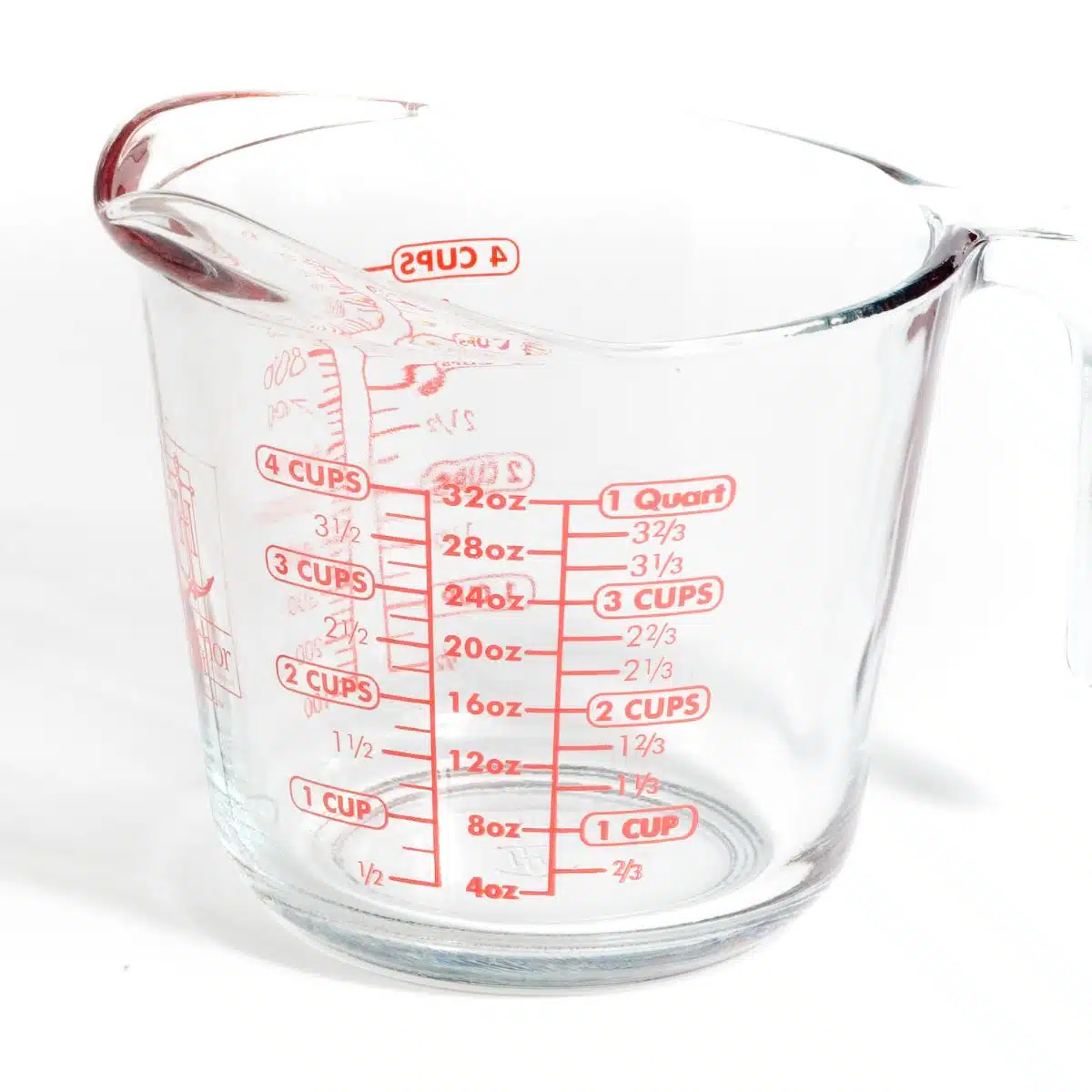
Actually, most modern liquid measuring cups (the glass Pyrex ones) have a metric side. Just flip the handle around. Look for the "500ml" mark. It is much easier to hit that line than it is to guestimate where the 0.1125 decimal falls on the "cups" side of the glass.
Precision matters more in chemistry and baking than it does in everyday life. If you’re just mixing up a pitcher of Kool-Aid or some powdered Gatorade, don't sweat the 0.9 ounces. Your taste buds won't notice the difference. But if you’re a home brewer or someone making skincare products at home, that small fraction of an ounce represents a 5% margin of error. In those worlds, 5% is huge.
Common misconceptions about beverage sizes
A lot of people think a standard small bottle of water is 12 ounces. It’s not. 12 ounces is a standard soda can. 16 ounces is a "tallboy" or a pint of craft beer. 16.9 is the weird middle ground that has become the industry leader because of global shipping logistics.
Interestingly, the 16.9-ounce size is also why many car cupholders are the size they are. Automotive designers at companies like Ford and Toyota literally use these specific bottles to test the grip and depth of their interior consoles. It is the "golden unit" of the beverage world.
Practical steps for your kitchen
Stop guessing. If you find yourself frequently asking how many cups are in 16.9 ounces, it’s time to change how you measure.
- Get a digital scale. This is the ultimate "pro move." Switch it to grams. Since 1ml of water equals 1 gram, 16.9 ounces of water will weigh almost exactly 500 grams. It is the most fool-proof way to measure liquid.
- Check the bottom of your glassware. Many shaker bottles and reusable tumblers have the ounce markings molded into the plastic.
- Standardize your hydration. If you know you need 64 ounces of water a day, just remember that four 16.9-ounce bottles gets you there with a tiny bit to spare.
The math doesn't have to be hard, but it does have to be right. Whether you're tracking your macros or just trying to finish a recipe without a trip to the store, knowing that 16.9 ounces is 2.1 cups is one of those small bits of "adulting" knowledge that actually comes in handy.
Next time you're at the store, look at the different sizes. You'll see 20-ounce bottles (2.5 cups), 1-liter bottles (4.2 cups), and the massive 1.5-liter bottles (6.3 cups). But that 16.9-ounce bottle will always be the one you find in the 24-packs. Now you know why. It's just two cups and a splash.
Actionable Insights:
To get the most out of your measurements, always use a clear liquid measuring cup placed on a flat surface. Look at the meniscus—the curve of the liquid—at eye level. If you are using a 16.9-ounce bottle for a recipe that calls for 2 cups, pour out about two tablespoons before adding the rest to your bowl to ensure your ratios stay perfect. For hydration tracking, mark your reusable bottle with a permanent marker at the 8-ounce and 16-ounce lines so you can visualize your progress regardless of the container's total size.