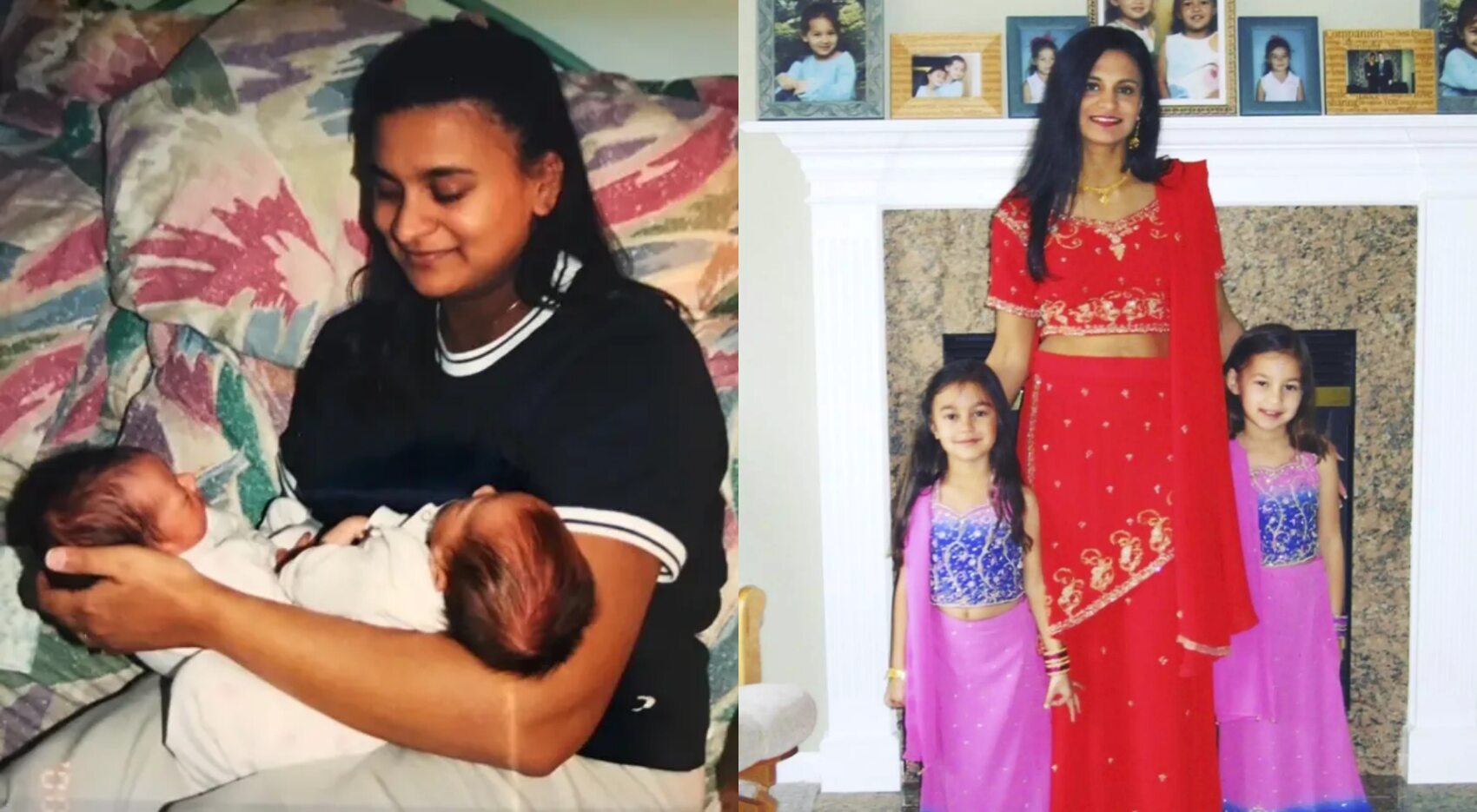
It was a Friday evening in March 2017 when the quiet of St. Charles, Illinois, was shattered by two phone calls that no dispatcher ever wants to answer. You’ve likely heard snippets of the story—the "St. Charles tragedy" or the "Coffland twins case." But beyond the headlines and the clinical police reports, there is a much more complex and devastating reality about who Brittany and Tiffany Coffland were and the series of red flags that preceded that night.
Honestly, it’s one of those cases that sticks with you. Not just because of the violence, but because it felt so preventable in hindsight.
The Night Everything Changed
March 10, 2017. Around 5:00 p.m. Randall Coffland, 48, dialed 911 from a luxury condominium on South First Street. His voice was chillingly calm. He told the dispatcher exactly what he had done: he had shot his two daughters, he had shot his wife, and he was about to kill himself.
Almost simultaneously, his wife, Anjum Coffland, was on another line. She was screaming. She had been shot in the legs but was alive. She told dispatchers her daughters were dead. When police arrived at the fourth-floor unit, they found a scene that hardened investigators later described as "horrific." Brittany and Tiffany, just 16 years old, were dead from single gunshot wounds to the head. Randall was also dead.
The most haunting detail? Randall could be heard in the background of the 911 calls shouting to his wife: "I want you to live and suffer like I did."
Who Were Brittany and Tiffany Coffland?
It’s easy to get lost in the crime details, but the community remembers the girls for who they were before that day. They were juniors at St. Charles East High School. They were twins, but they had distinct personalities that balanced each other out.
Brittany Coffland was a cheerleader. She was known for her energy and her love of music. Her aunt and uncle, Patty and Russell Coffland, later shared that she had dreams of working in the music industry. She was the kind of kid who would hold her uncle's hand while walking through Disney World.
Tiffany Coffland was a bit more reserved. She worked at a local pet store and had a profound love for animals. Friends described her as a "gentle soul." On the Friday she died, she had been just four days away from her 17th birthday.
The school principal, Charlie Kyle, noted that the twins were "great girls" who were deeply embedded in the fabric of the school. When students returned to class the following Monday, the hallways were a sea of purple and blue—the twins’ favorite colors.
The Red Flags We Often Miss
When you look at the weeks leading up to the incident, the narrative of a "sudden snap" starts to fall apart. It was more of a slow, agonizing slide. Randall and Anjum were married but living separately. Randall stayed in the condo while Anjum had moved to her own apartment nearby.
- February 9 Incident: Police had been called to the home about a month before the shooting. It was labeled as "domestic trouble," but because there was no physical abuse reported at that time, no arrests were made.
- The Insurance Policy: Just days before the murders, Randall made a calculated move. He removed his daughters as beneficiaries from his life insurance policy. He replaced them with his brother and a friend.
- Medication and Mental Health: Randall had been struggling with major depressive disorder. He had recently been prescribed a new antidepressant, Venlafaxine. While it’s impossible to blame a medication for such an act, Anjum later filed a lawsuit suggesting the side effects of the drug might have played a role in his deteriorating mental state.
- The Threats: After the funeral, it came to light that Randall had allegedly told Anjum two months prior that he was going to kill the girls. At the time, she didn't believe he was capable of it.
The Aftermath and the "Live and Suffer" Reality
Anjum Coffland survived, but the physical wounds were nothing compared to the psychological ones. Randall’s stated goal—to make her suffer—is perhaps the most twisted part of the entire event. He didn't want to "take her with him"; he wanted her to remain in a world where her children were gone.
The community of St. Charles rallied around her. There were vigils, scholarship funds, and a massive outpouring of support. But the case also sparked a lot of hard conversations about domestic violence and how the legal system handles "non-physical" domestic calls.
Common Misconceptions
- "It was a random act of passion." No. The change to the insurance policy and the purchase of a second 9mm handgun (he bought one on February 22 and another on March 5) suggest a high level of premeditation.
- "The police did nothing." The police responded to the calls they received, but Illinois law at the time made it difficult to intervene or seize firearms without a report of physical violence or a clear "red flag" filing.
Why This Case Still Matters
The story of Brittany and Tiffany Coffland serves as a grim case study in domestic terrorism within the home. It highlights the "lethality markers" that experts look for today: separation, history of depression, and access to firearms.
If you are looking for a takeaway from such a dark story, it's the importance of taking verbal threats seriously. Domestic violence isn't always a black eye; sometimes it's a series of controlling behaviors and verbal warnings that escalate when a partner tries to leave.
Actionable Steps for Awareness
- Document Everything: If you or someone you know is in a situation involving domestic threats, keep a log. Even if "nothing physical" has happened yet, a pattern of threats can be used to obtain an Order of Protection.
- Understand Red Flag Laws: Familiarize yourself with Firearm Restraining Orders (FROs). These allow family members or police to petition a judge to temporarily remove firearms from someone who poses a danger to themselves or others.
- Listen to the Quiet Ones: In many cases, the victims feel they can't speak up because the perpetrator is a "good guy" to the outside world. Randall was an IT manager at a Chicago law firm; he wasn't a "monster" to his coworkers, but he was a different person behind closed doors.
The memory of the Coffland twins lives on in the purple and blue ribbons that still occasionally appear in St. Charles. Their story is a reminder that "domestic trouble" is rarely just a private family matter—it's a community concern that requires everyone to pay a little closer attention to the cracks in the facade.
To support survivors or learn more about domestic violence prevention, you can contact the National Domestic Violence Hotline at 1-800-799-SAFE.